One stop ticketing solution for bus and coach operators

Author: Mark Ellison

  • Bus Ticket Void Policy: 5 Essential Rules for Operators

    Bus Ticket Void Policy: 5 Essential Rules for Operators

    A bus ticket void policy tells your staff when a ticket may be cancelled out of the system as if the sale never happened, and when it must go through a refund instead. The two look alike at the counter, but they leave very different traces in your books.

    This guide is for the owner or operations lead who writes the rules. It explains what a bus ticket void policy should cover, who should be allowed to use it, and how to keep a void from turning into a quiet way to lose money.

    What a Bus Ticket Void Policy Is For

    A void removes a ticket sale that should not have stood in the first place. Think of a wrong date keyed in, a duplicate sale created by a double tap, or a seat sold to the wrong trip and caught within minutes.

    A refund is different. A refund acknowledges that a valid sale happened and returns the money under your refund rules. Your bus ticket void policy exists so that staff never confuse the two.

    Void, Refund and Reissue Are Three Different Actions

    Keep the vocabulary strict. A void erases a mistake, a refund returns money for a real sale, and a reissue replaces proof of purchase for a trip the passenger still has. Our notes on the bus ticket refund policy cover the refund side in detail.

    When staff use the words loosely, the reports stop making sense. A bus ticket void policy that defines each action in one sentence prevents most of that confusion.

    Why Operators Need One Written Down

    Without a rule, voids happen by instinct. One agent voids anything a customer complains about, another never voids at all, and the end-of-day numbers differ from counter to counter for reasons nobody can explain.

    A written bus ticket void policy gives every agent the same answer. It also gives you something to point to when a number looks wrong a week later.

    bus-ticket-void-policy-clipboard-desk

    When a Void Is the Right Tool

    Set a narrow window and a narrow list of reasons. A void is for errors the agent can see right away, not for a passenger who changed their mind an hour later. Anything outside that list belongs in your refund process.

    The tighter the definition, the fewer arguments you will have. Staff should be able to decide in a few seconds which path a request belongs to.

    Reasons That Usually Qualify

    Typical examples are a wrong route or date entered by the agent, a duplicate transaction, and a sale to the wrong passenger name caught before the ticket is used. Decide which of these you accept and write them down in plain words.

    Do not try to list every possible case. Give the principle, which is that the void corrects an error in how the sale was recorded, and let a supervisor handle the rest.

    Reasons That Should Go to Refund Instead

    A passenger who no longer wants to travel, a missed departure, or a complaint about the trip is not a void. Those are real sales, and they belong in the refund or rebooking flow, with whatever fees or conditions your policy sets.

    Spell this out for the counter team. A bus ticket void policy that blurs the line invites staff to void a sale just to keep a customer happy, and that is exactly where money disappears.

    Train the Team on Real Cases

    A rule on paper is not enough. Walk the counter team through three or four real examples and ask them to say whether each one is a void, a refund or a reissue. Use cases from your own station rather than invented ones.

    Repeat the exercise whenever you onboard a new agent. A bus ticket void policy that is explained once and never revisited slowly drifts, and the drift shows up in your reports first.

    Who Is Allowed to Void a Ticket

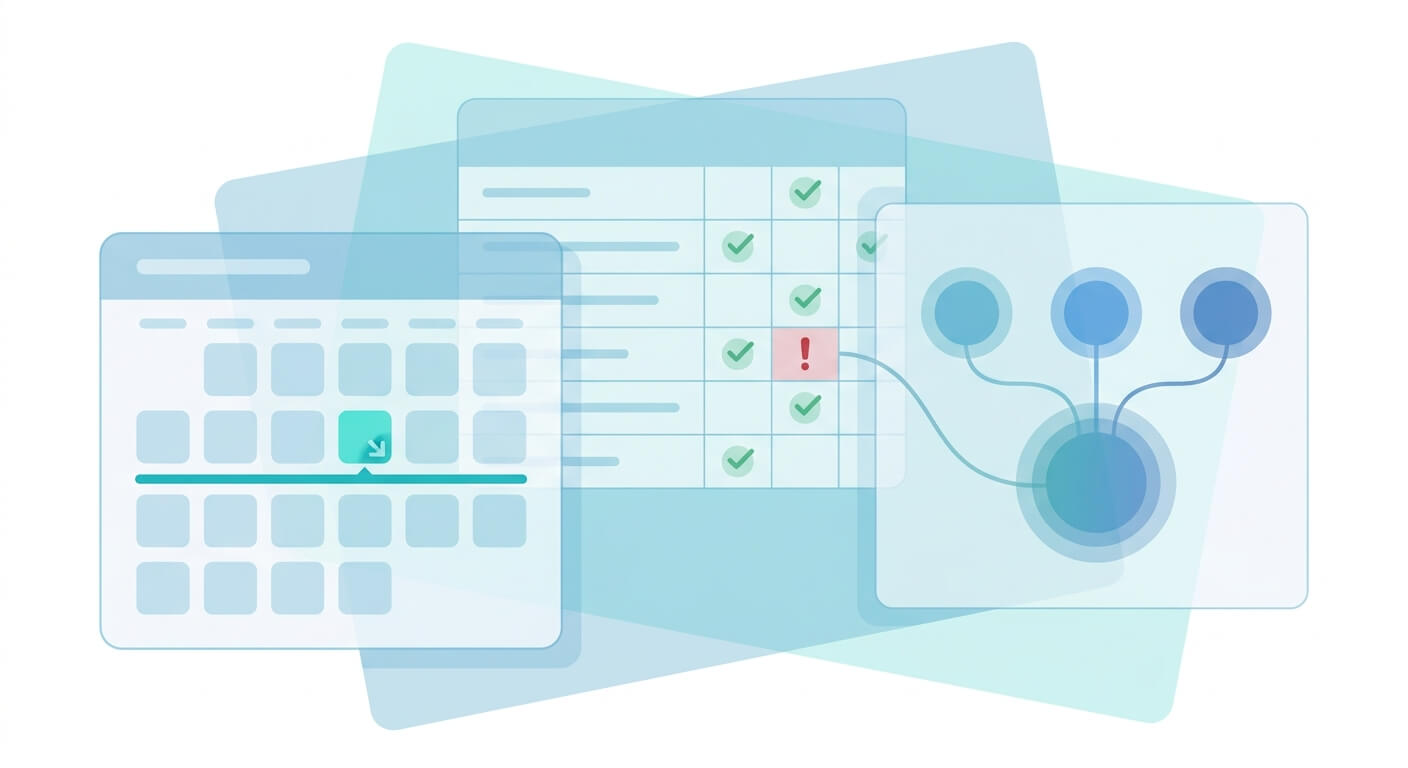
    Voiding is powerful because it makes a sale vanish. Treat it like a cash-handling control, not a convenience. The most common safeguard is to limit the permission to a small group and to require a second person for anything outside the usual cases.

    If your system lets you set permissions by role, use that. UBT lists point-of-sale, ticket validation, inventory control and real-time reporting together, so ask your vendor how roles and approvals work in your setup.

    Separate the Person Who Sells From the Person Who Approves

    The agent who made the error can request a void, but a supervisor should approve it. This one habit catches both honest mistakes and the occasional dishonest one.

    At a small station the approver may be the owner. That is fine, as long as the approval is recorded and not done verbally and forgotten.

    Record a Reason Every Time

    Require a short reason for every void. Wrong date, duplicate sale and wrong passenger are enough. A reason field that is left blank is a warning sign in itself.

    Over a month, those reasons tell you something useful. If one reason keeps repeating, the fix may be a clearer booking screen or better training rather than a stricter rule.

    What Happens to the Seat and the Money

    A void should return the seat to inventory at once, otherwise you create a phantom sold seat. It should also reverse the payment in a way that matches how the passenger paid, so that the books and the card statement agree.

    Test this before you rely on it. Void a sample sale in a safe environment and watch what the seat map and the report show afterwards.

    Seats Back on Sale Immediately

    If you sell through several channels, a voided seat must be released everywhere. Otherwise the same seat looks sold in one place and free in another. The guide on how to stop overselling bus seats explains why one shared inventory matters here.

    Ask your vendor how quickly a released seat shows up across channels. UBT describes shared APIs that sync across sales channels, so confirm the behavior for voids specifically.

    Money Goes Back the Way It Came

    A void on a card payment should reverse to the same card, and a cash void should be handled with a cash record and an approver. Never settle a void by handing over cash for a card sale.

    Our guide to refunding to the original payment method explains the principle. The same logic applies to a void.
    bus-ticket-void-policy-approval-workflow

    Keeping Voids Visible in Your Reports

    A void that is invisible is a risk. Your daily report should show how many voids occurred, who requested and approved them, and the reasons given. If your reports cannot show that, ask whether a different report or an export can.

    Review the list on a regular rhythm. You are not looking for perfection, only for patterns that deserve a conversation.

    A Simple Weekly Review

    Once a week, scan the voids by agent and by reason. A single agent with many voids may need retraining, or may be the one who works the busiest shift. Look before you judge.

    Pair the review with your daily sales report so the numbers you read are the same numbers your staff see.

    Signs of Abuse

    Watch for voids made late in a shift, voids right after cash sales, and voids with vague reasons. None of these proves anything by itself, but together they are the shape of a problem.

    Our notes on preventing bus ticket fraud cover the broader set of controls around cash and validation.

    A Starter Bus Ticket Void Policy You Can Adapt

    Treat these lines as a draft to confirm against your own system and staff. They are not a standard, and every operator will set its own limits.

    • Define void, refund and reissue in one sentence each.
    • Allow a void only for recording errors found quickly.
    • Require a reason and a second approver every time.
    • Release the seat to inventory and reverse the payment the same way it came in.
    • Review all voids once a week.

    Say It Plainly to the Team

    Print the one-page version and keep it at each counter. Staff should not have to hunt for the rule when a customer is waiting.

    Walk through two or three real examples in a short meeting. A bus ticket void policy only works when people can apply it without thinking twice.

    Final Thoughts on Your Bus Ticket Void Policy

    A good bus ticket void policy is short, strict and visible. It separates voids from refunds, limits who can approve them, restores the seat and the money correctly, and shows up in your reports.

    Start with the five lines above, test them against a few sample sales, and adjust. Set a reminder to reread the bus ticket void policy every few months, and check whether the approval step is followed or quietly skipped.

    If you want to see how a ticketing system handles sales, validation and reporting in one place, request a walkthrough of UBT’s ticketing platform and bring your own void questions. UBT is free with no obligations: if you do not like it, there is no cost.


  • Bus Ticket Reissue Policy: 5 Simple Rules for Lost Tickets

    Bus Ticket Reissue Policy: 5 Simple Rules for Lost Tickets

    A bus ticket reissue policy tells your staff what to do when a passenger says they lost the ticket, deleted the email, or cannot find the confirmation. It sounds like a small customer-service detail until the same ticket turns up twice at the door and two people claim one seat.

    This guide is for the owner or operations lead who writes the rules. It explains what a bus ticket reissue policy should cover, how to avoid creating a duplicate that gets used twice, and how to keep your records clean without inventing numbers.

    What a Bus Ticket Reissue Policy Is For

    A reissue means giving a passenger a fresh copy of a ticket they already paid for. It does not create a new sale, and it should not add a seat to the bus. The goal is to restore access for the right person while keeping the booking singular.

    Operators often handle this by instinct. An agent prints another ticket, the customer leaves happy, and nobody records that two valid tickets now exist for one seat.

    Reissue Is Not a Refund or a Rebooking

    Keep three things separate in your policy. A refund returns money, a rebooking moves the passenger to another trip, and a reissue only replaces the proof of purchase for the same trip.

    Mixing them confuses staff. A passenger who lost a ticket should not be pushed into a rebooking fee, and a bus ticket reissue policy that says so plainly saves arguments at the counter.

    Why the Duplicate Is the Real Risk

    The danger of a reissue is not the effort. It is that the original ticket may still be out there, in a forwarded email, a screenshot, or a printout in somebody’s bag.

    If both copies can be scanned, the first one through the door wins, and the rightful passenger is turned away. Your policy has to say how the old copy stops working.

    bus-ticket-reissue-policy-counter-printer

    Verifying the Passenger Before You Reissue

    Never reissue on a request alone. Anyone can claim to be the buyer of a booking, and a sympathetic story is not a credential. Your bus ticket reissue policy should name what staff must check first.

    Choose checks that match how the booking was made. A purchase made online has contact details on file, while a counter sale may only have a name and a payment record.

    What Staff Can Reasonably Ask

    Typical items are the name on the booking, the contact detail used at purchase, and the departure being claimed. Decide which ones are required and which are enough on their own.

    Keep the list short so agents can apply it quickly. If the checks are too heavy, staff skip them under pressure, and then the policy exists only on paper.

    When the Details Do Not Match

    Decide in advance what happens when the person cannot prove they own the booking. The simplest answer is that no reissue happens until the details match, and the customer is told how to resolve it.

    Write the escalation path as well. A named person should handle the awkward cases so that an agent never has to decide alone whether to trust a stranger.

    Making the Old Ticket Stop Working

    A reissue is only safe if the first ticket can no longer be used. This is the part of the bus ticket reissue policy that depends most on your system, and the part worth testing before you rely on it.

    Ask how your platform treats a replaced ticket. UBT describes flexible ticketing validation options, so confirm with the vendor exactly how a superseded code behaves at validation.

    Void the Old Copy, Then Issue the New One

    Use a fixed order every time. Mark the old ticket as replaced, issue the new one, and record both actions against the booking. Reversing the order leaves a gap in which two copies are valid.

    On paper tickets the same idea applies. A reissued stub should be tied to the original by a note that the driver or validator can see, so a second paper copy is recognized as void.

    What to Do at Boarding

    Staff validating tickets need to know what a replaced ticket looks like when it is presented. If the system flags it, they need to know whether to deny boarding or call a supervisor.

    For related protections on the validation side, the notes on preventing bus ticket fraud cover the broader set of checks. A reissue rule is one piece of that picture.

    bus-ticket-reissue-policy-scanner-check

    Recording Reissues So the Books Still Add Up

    Every reissue should leave a trace. If it does not, your reports will show a booking with no explanation for why a second ticket was printed, and the finance team will chase the difference later.

    Treat the reissue as an event on the booking rather than a new transaction. The seat count and the revenue should stay exactly where they were.

    Notes to Capture

    Record who asked, who approved, what was checked, and when. Those four facts answer almost every later question, and they take seconds to write at the time.

    Link the record to your daily reporting routine. A reissue that appears in the same place as your bus ticket reconciliation notes is easy to explain; one buried in a conversation is not.

    Watch for Patterns

    If one passenger or one counter issues many reissues, look at why. It may point to a confusing ticket layout, a mail problem, or a staff habit that deserves a conversation.

    Reading the log every so often turns an annoyance into information. Your bus ticket reissue policy should be reviewed with real cases, not just kept in a drawer.

    Designing a Ticket That Gets Lost Less Often

    Some reissues are avoidable. If the ticket is hard to find, hard to read, or hard to scan, people will ask for another one. The bus ticket format guide explains how layout choices affect the boarding experience.

    Make the confirmation easy to retrieve. Customers who can look up their booking by themselves do not need staff to rebuild it for them.

    • Keep the departure time, route, and ticket code visible at a glance.
    • Offer a way to resend the confirmation without staff help.
    • Send a reminder before departure that points to the ticket.
    • Use one consistent layout across your channels.

    A Simple Bus Ticket Reissue Policy to Adapt

    You can adapt the following outline to your own operation. Treat every line as something to confirm against your own system and staff rather than a standard.

    • Verify the passenger using the checks you have chosen.
    • Mark the old ticket as replaced before issuing the new one.
    • Issue the replacement against the same booking and seat.
    • Record who approved the reissue and why.
    • Tell the passenger what to bring and what the validator will see.

    Say It in Plain Words for Customers

    The customer-facing version of your bus ticket reissue policy should fit in a short paragraph. State who can request a reissue, what proof is needed, and that the original stops working once the new one is issued.

    That last sentence matters. Customers who understand the old copy will no longer work are less likely to forward it, and less likely to be surprised at the door.

    Final Thoughts on Your Bus Ticket Reissue Policy

    A bus ticket reissue policy protects against the problem that matters most: two valid tickets for one seat. Verify the passenger, retire the old copy before issuing the new one, and record the event so the books stay consistent.

    Then make the ticket easier to find, so the policy is used less. The checks and the order of steps are yours to set, and writing them down is what turns a counter habit into a rule your whole team follows.

    If you want to see how a ticketing system handles validation and bookings across channels, request a walkthrough of UBT’s ticketing platform and bring your own reissue questions. UBT is free with no obligations: if you do not like it, there is no cost.

  • Bus No-Show Handling for Operators: 6 Practical Steps at Departure

    Bus No-Show Handling for Operators: 6 Practical Steps at Departure

    Bus no-show handling is what your team does in the last few minutes before a departure, when a ticketed passenger has not appeared.

    Done well, it protects the schedule, the seat count, and the refund books. Done badly, it leaves a driver waiting, a customer arguing, and an empty seat that nobody could buy.

    This guide is for the owner or operations lead who writes the procedure, not for the passenger. It walks through bus no-show handling at the moment of departure, step by step, without inventing percentages your own data has to supply.

    What Bus No-Show Handling Actually Means

    Reducing no-shows and handling them are two different jobs. Prevention happens days earlier, with reminders and clear rules, and you can read more in how to reduce bus ticket no-shows. Handling is what happens at the curb when prevention did not work.

    Bus no-show handling needs a written procedure because the pressure is highest exactly when nobody has time to think. A driver wants to leave on time, an agent wants to be fair, and a late customer is often running toward the bus.

    The Three Decisions at Departure

    Every no-show forces the same three decisions. How long do you wait? What happens to the empty seat? What happens to the money the passenger already paid?

    Write the answer to each one before the first no-show of the day. Operators who leave these decisions to whoever is on shift end up with three different answers on the same afternoon.

    Who Owns the Call

    Name one role that makes the final decision for each departure. It might be the dispatcher, the station lead, or the driver on routes with no staff at the stop.

    If two people can both say yes or no, passengers will find the more generous one. A single owner keeps the rule consistent and gives you someone to ask when you review a disputed case.

    bus-no-show-handling-queue-at-gate

    Step One: Confirm the Passenger Really Is Missing

    Before you treat anyone as absent, check the boarding record. A passenger who is on the bus but not yet scanned looks identical to a no-show if the check is slow. That mistake costs you a refund conversation you did not need.

    A solid bus boarding check-in process gives you a reliable list of who has boarded, so you act on facts rather than a driver’s guess.

    Check the Manifest, Not Memory

    Compare the scanned list against the booked list for the departure. The gap between them is your set of possible no-shows, and it should be visible to the driver and the dispatcher at the same time.

    For a deeper look at what belongs on that list, see the notes on the bus passenger manifest. Accurate names and seat numbers make every later step faster.

    Allow for Different Ways of Validating

    Passengers arrive with paper tickets, phone screens, or counter receipts. UBT describes flexible ticketing validation options, so the check should work for each type your operation accepts.

    If a passenger cannot be scanned because of a device problem, that is not a no-show. Give your staff a way to verify the booking another way before they release the seat.

    Step Two: Set a Waiting Rule and Stick to It

    Waiting for one late passenger delays everyone already seated. That is the core tension in bus no-show handling, and it is why the rule has to be written down and applied evenly.

    Do not copy a number from another company. Your waiting time depends on your route, your next connection, and how tight your turnaround is at the stop.

    Tie the Rule to the Schedule

    A departure that feeds a connection cannot wait the way a once-a-day trip can. Decide whether each route has its own waiting rule or whether one rule covers the whole network.

    Whatever you choose, make the departure time itself the anchor. Staff should know the exact point at which the bus leaves, and customers should be told that point in advance.

    Say the Rule Out Loud

    Printed rules help only if people read them. Make the driver or agent state the departure time to the queue, so a late arrival cannot say nobody told them.

    Consistent wording also protects your staff. When the answer is the same for everyone, an agent is applying a policy and not making a personal decision.

    bus-no-show-handling-curbside-loading-area

    Step Three: Release the Seat and Offer It Again

    Once the bus leaves, an empty seat is lost revenue on that trip. Before it leaves, a released seat can still be sold, which is why seat recovery belongs in your bus no-show handling procedure.

    This only works if your inventory is shared by every sales channel. Otherwise the counter releases the seat while the website still shows it as taken.

    Use the Waitlist Where You Have One

    If a departure sold out, there may be customers who wanted a seat and could not get one. A bus ticket waitlist lets you offer a freed seat to the next person in line.

    Keep the rule short. Decide who is contacted first, how long they have to accept, and what happens if they do not answer in time.

    Keep the Count Honest

    Mark the seat as unused rather than deleting the booking. Your reports should be able to separate a no-show from a cancellation, because the two lead to different questions later.

    A clean count also makes load factor and daily sales numbers believable. UBT lists real-time reporting alongside its point-of-sale and inventory features, which is where that kind of record belongs.

    Step Four: Decide What Happens to the Fare

    The money question is where most disputes begin. A passenger who misses the bus will usually ask for a refund, a rebooking, or a credit, and your staff need to know which are on offer.

    Keep this part short and tied to your existing rules. Your answer should match your bus ticket refund policy so that customers see the same logic everywhere.

    • State whether a missed departure is refundable, changeable, or neither.
    • Say whether the rule differs when the passenger told you in advance.
    • Decide who can grant an exception and how it gets recorded.
    • Record the reason in the booking so the finance team can find it later.

    Log It While It Is Fresh

    Add a short note to the booking when the bus leaves. A reason recorded at the time takes seconds, while one reconstructed at the end of the week rarely matches what happened.

    Those notes become your best evidence when you review the rules after a busy period. Patterns in the logs tell you which route or time slot needs a different waiting rule.

    Reviewing Your Bus No-Show Handling Over Time

    After a few weeks, read the log instead of relying on impressions. Look for the same stop or the same hour appearing repeatedly, and ask whether the cause is the rule or the reminder.

    Do not promise yourself a target percentage until you have measured your own baseline. The point of reviewing bus no-show handling is to make your next decision easier, not to chase a number from somewhere else.

    Final Thoughts on Bus No-Show Handling

    Bus no-show handling comes down to four things written ahead of time: confirm the passenger is truly missing, apply one waiting rule, put the freed seat back on sale, and decide how the fare is treated. Keep one person responsible for each departure.

    Operators who write these steps down spend less of the departure window arguing and more of it moving the bus. The details are yours to set, but the procedure should exist before the next no-show does.

    If you want to see how a ticketing system handles boarding checks and shared inventory, request a walkthrough of UBT’s ticketing platform and bring your own departure-time questions. UBT is free with no obligations: if you do not like it, there is no cost.

  • Bus Ticket Cut-Off Time Policy: 7 Essential Rules to Set

    Bus Ticket Cut-Off Time Policy: 7 Essential Rules to Set

    A bus ticket cut-off time policy is the rule that says when a seat stops being available to buy, change, or cancel before a departure. Most operators set one early, forget about it, and only notice it when a counter agent and a website disagree about whether a seat is still for sale.

    This guide is for the owner or operations lead who writes the rules. It explains what a bus ticket cut-off time policy should cover, how it touches your accounting and your counters, and how to write it without guessing at numbers that only your own data can supply.

    What a Bus Ticket Cut-Off Time Policy Covers

    A good bus ticket cut-off time policy is not one number. It is a small set of deadlines that each answer a different question. When can a new customer still buy? When can a booking still be changed? When can a ticket still be cancelled for a refund?

    Operators often collapse all three into a single deadline because it is easier to say out loud. The trouble starts when sales, changes, and cancellations behave differently in practice, and the written rule only describes one of them.

    Sales Cut-Off: When the Seat Stops Selling

    The sales cut-off is the point after which the system stops offering a departure to new buyers. Online, that means the trip disappears from search. At the counter, it means the agent cannot issue a fresh ticket.

    Set it with your own operation in mind. A station that boards from a gate far from the ticket window needs more lead time than a curbside pickup where the driver scans on the sidewalk.

    Change Cut-Off: When a Booking Can Still Move

    A change deadline governs rebooking, name corrections, and seat moves. It is often later than the refund deadline, because moving a customer to another departure keeps the revenue while a cancellation does not.

    If you already publish rules for moving passengers, keep the two consistent with your bus ticket rebooking policy. Two documents that disagree about the same deadline create arguments at the counter.

    Cancellation Cut-Off: When a Refund Stops Being Automatic

    The cancellation deadline decides when a refund is still available as a matter of course. After it, any refund becomes a judgment call by a person, which is slower and harder to audit.

    This is the deadline customers care about most, and it ties directly to your bus ticket refund policy. Write the two so a reader can tell where one rule ends and the other begins.

    bus-ticket-cut-off-time-policy-schedule-calendar

    Why the Bus Ticket Cut-Off Time Policy Matters for Your Books

    The cut-off is not only a customer-facing rule. It decides when a departure’s revenue becomes final, which is the moment your accounting team has been waiting for. Until the deadline passes, the seat count can still move.

    That is why a vague bus ticket cut-off time policy shows up later as a reconciliation headache. Late changes land after the day’s report has already been closed, and someone has to explain the difference.

    Closing the Day’s Numbers

    If a departure can still change right up until it leaves, the report for that trip is a moving target. A clear deadline gives you a point after which the manifest and the sales total should agree.

    Teams that reconcile daily tend to feel this first. A rule that says “changes close at a fixed point before departure” gives the finance person something firm to check against.

    Late Exceptions and Who Approves Them

    Every operator allows exceptions. A customer is stuck in traffic, a driver runs early, or a group arrives together at the last minute. The question is who is allowed to override the cut-off and how that override gets recorded.

    Decide this on paper before it happens. An exception that lives only in a counter agent’s memory cannot be reviewed, and it quietly trains staff to treat the deadline as optional.

    How Cut-Off Rules Change the Counter Experience

    Counter staff live with your cut-off rule more than anyone. They are the ones telling a customer that the window has closed, and they need wording they can repeat without improvising.

    A well-written bus ticket cut-off time policy gives agents a single answer to give, with a clear path for the rare exception. That consistency is worth more than a clever rule.

    One Rule Across Every Sales Channel

    The common failure is a deadline that differs by channel. The website stops selling at one point, the counter keeps selling until the bus is nearly full, and a partner site follows its own clock.

    The fix is the same one that prevents double-selling a seat. Every channel should read the same live inventory, a point covered in depth in how to stop overselling bus seats.

    What Happens When a Trip Is Rescheduled

    Cut-off times are measured against a departure time, so they move when the departure moves. If a bus is pushed back an hour for a mechanical problem, you have to decide whether the deadline slides with it.

    State the answer in your policy. UBT’s own site describes the ability to move a schedule around, for example later by an hour due to mechanical issues, and a written rule tells staff how the cut-off should follow that change.

    bus-ticket-cut-off-time-policy-timetable-counter

    How to Write Your Own Bus Ticket Cut-Off Time Policy

    There is no universal number, and anyone who hands you one for every operator is guessing. The right deadline depends on how your customers actually behave and how your station actually boards.

    Start from your own records rather than from habit. Then write the result in plain words that a customer and an agent can read the same way.

    • List every deadline you need: new sales, changes, cancellations, and group bookings.
    • Check how long your boarding really takes at your busiest station.
    • Decide whether each deadline applies the same way online and at the counter.
    • Name who can approve a late exception and where it gets recorded.
    • State what happens to the deadline if the departure time moves.
    • Write the customer-facing version in one short paragraph with no jargon.
    • Review it after a busy season using the exceptions you actually granted.

    Test the Draft Against Real Cases

    Before you publish, run five or six real situations through the draft. A customer who is two minutes late, a group of eight, a rescheduled departure, and a refund request just after the cut-off are good starting cases.

    If your team cannot agree on the answer, the policy is not finished. The disagreement tells you exactly which sentence needs rewriting.

    What to Ask Your Ticketing System About Cut-Off Rules

    Your software should enforce the rule you wrote instead of relying on staff to remember it. Before you commit to any platform, ask how it handles deadlines per channel, per route, and per type of change.

    Bring the cases from your test list to the demo and ask the vendor to walk through each one. Their answers will show you quickly whether your bus ticket cut-off time policy can be enforced or only hoped for.

    Also ask how the system treats a rescheduled trip and whether exceptions are recorded. Features that are not described on the vendor’s own pages should be confirmed in writing instead of assumed.

    Final Thoughts on Your Bus Ticket Cut-Off Time Policy

    A bus ticket cut-off time policy sits between your customers, your counters, and your books. Write separate deadlines for sales, changes, and cancellations, apply them the same way on every channel, and decide in advance who can grant an exception.

    Do that and you remove most of the arguments at the window and most of the late surprises in the day’s report. The numbers are yours to choose from your own data, and writing the rule down is the part that pays off first.

    If you want to see how a ticketing system works with live inventory and schedule changes, request a walkthrough of UBT’s ticketing platform and bring your own cut-off questions. UBT is free with no obligations: if you do not like it, there is no cost.

  • Bus Ticketing for Charter and Scheduled Service: 6 Essential Checks for a Smarter Choice

    Bus Ticketing for Charter and Scheduled Service: 6 Essential Checks for a Smarter Choice

    Running a timetable and taking charter work at the same time is a common mix, and it puts odd demands on your software.

    Bus ticketing for charter and scheduled service has to handle seats sold one by one and whole vehicles booked by a single customer. Many tools do one of these well and the other badly, so choose bus ticketing for charter and scheduled service with care.

    This guide is for operators who run both. It sets out the questions to ask when choosing bus ticketing for charter and scheduled service, so you spot the gaps before they cost you a booking.

    bus-ticketing-for-charter-and-scheduled-service-quote-scene

    Why Bus Ticketing for Charter and Scheduled Service Is Different

    Scheduled service sells seats on a fixed departure. The price is public, the booking is quick and thousands of small sales add up. Charter work sells a vehicle for a day, with a quote, a deposit and a long list of details.

    Both draw on the same vehicles and drivers. That is why bus ticketing for charter and scheduled service cannot live in two disconnected tools. A coach promised to a charter customer must not also be on sale as a scheduled departure.

    If your records live in two places, someone has to reconcile them by hand. That person is usually you, late in the evening.

    6 Practical Checks for Bus Ticketing for Charter and Scheduled Service

    Use these six checks on any system you are considering for bus ticketing for charter and scheduled service. Ask to see each one on a live demo with your own examples, not a prepared script.

    • One view of every vehicle and driver across both kinds of work
    • A way to block a vehicle for a charter so it cannot be sold by seat
    • A quote and booking record for charter customers, kept apart from seat sales
    • Shared inventory across every channel you sell through
    • Reports that separate charter income from scheduled income
    • Easy changes when a charter or a departure moves

    Check one: a single view of vehicles

    Start with the calendar. You should be able to look at one day and see which vehicles are on timetable runs and which are out on charter. If the answer is in a spreadsheet, the system is not helping with the hard part.

    Ask what happens when a vehicle breaks down. The system should make it quick to see what else can cover the trip.

    Check two: blocking a vehicle for charter

    When you accept a charter, the seats on that vehicle must disappear from sale. Test it by blocking a vehicle and then trying to buy a seat on the public channel. The seat should not be available.

    Our guide to seat inventory control explains why one shared count matters. UBT describes shared APIs that sync instantly across all sales channels, so ask how that applies to a blocked vehicle.

    Check three: quotes and charter records

    Charter customers rarely click and pay. They ask for a price, compare, negotiate and confirm. A system built only for seat sales leaves you to track that in email.

    We looked at this in our piece on bus booking and quote software. Read it for the questions around quoting, then bring those to your demo.

    Checks four to six: channels, reports and changes

    The last three checks are about daily life. Shared inventory keeps a blocked coach from being sold online, reports show which side of the business earns, and easy changes save you when a plan moves.

    Test the changes check hardest. Ask the vendor to move a charter by two hours and a scheduled departure by one hour, then see what each change touches. UBT’s site describes moving a schedule around when a vehicle has a mechanical problem, so ask how that works with a charter on the same coach.

    Small friction here adds up quickly in a busy season. A change that takes ten clicks is fine once and painful thirty times a week.

    Keep the Money Side Clear in Bus Ticketing for Charter and Scheduled Service

    Charter and scheduled work earn money in different ways. A scheduled seat is paid in full at booking. A charter often has a deposit, a balance and extras. Mixing them in one total hides which side of the business is carrying the other.

    Good bus ticketing for charter and scheduled service includes reporting that splits the two. UBT lists point of sale, ticket validation, inventory control and real-time reporting together. Ask whether reports can be filtered so charter and scheduled income show separately.

    Also ask how refunds and changes work for each. A seat refund and a charter cancellation are very different events, and your policy for one should not bleed into the other.

    bus-ticketing-for-charter-and-scheduled-service-dispatcher-desk

    Plan Bus Ticketing for Charter and Scheduled Service Around Peak Days

    Peak days stress the mix, and weak bus ticketing for charter and scheduled service shows its flaws first. Holidays and big events raise scheduled demand at the same moment that groups ask for charters. Both want the same coaches.

    Decide ahead which work gets priority and write it down. Our article on corporate event transportation software shows how event work behaves when it meets normal service.

    When priorities are clear, your team does not have to argue about each case. They look up the rule and apply it.

    Keep Customers Informed on Both Sides

    Scheduled riders and charter customers need different messages. A rider wants to know the time and the pickup point. A charter organiser wants confirmation of the vehicle, the route and the pickup times for the group.

    Ask how the system helps you send each message. UBT’s site mentions automated SMS boarding reminders and ETA tracking for passengers, which suits scheduled service. Ask how charter customers are kept informed, since our published points do not cover it.

    Whatever the tool does, write your own template for charter confirmations. A clear message prevents most of the calls you would otherwise take on the day.

    Train Staff on Both Workflows

    A mixed operation needs staff who understand both, and bus ticketing for charter and scheduled service should support their daily work. The counter team sells seats, while a sales or office team handles quotes and bookings. They still need to know what the other side has committed.

    Run a short briefing each week where charters and unusual departures are read out. It takes five minutes and stops the counter from selling a seat on a coach that is out on hire.

    What We Do Not Claim

    We want to be plain about the limits of this article on bus ticketing for charter and scheduled service. It does not state which charter features UBT has.

    Do not assume any beyond what we list on our site. Our published points are shared APIs, point of sale, validation, inventory control, real-time reporting and schedule changes.

    So bring your charter workflow to the demo and ask us to show it. If something is missing, you will know before you sign, and that is the point of asking.

    The same goes for every vendor you speak with. A good answer is one you can watch happen on screen.

    A Short Test to Run This Week

    You do not need a long project to start. Take one real week from your calendar, with both scheduled runs and at least one charter. Write it out on a sheet as the system would need to hold it.

    Then ask each vendor to enter that same week on a demo. Watch where they struggle, where you must work around the tool and where a manual step creeps back in.

    Keep the notes from every demo of bus ticketing for charter and scheduled service. They give you a fair way to compare systems, because every vendor faces the same week.

    Talk to UBT About Your Mix of Work

    If you run a timetable and take charters and want to see how a ticketing system would hold both, we are glad to go through your week with you. Request a conversation with the United Bus Tech team and describe how you split your fleet today.

  • Bus Ticketing Data Export: 7 Essential Questions to Ask Before You Commit

    Bus Ticketing Data Export: 7 Essential Questions to Ask Before You Commit

    Bus ticketing data export is the question most operators forget to ask until they want to leave. Your sales history, customer records and schedules are the working memory of the business. If you cannot take them with you, you are renting more than software.

    This guide is for owners and managers choosing or reviewing a ticketing system. It shows what to ask about bus ticketing data export before you sign, and what to test during a trial.

    bus-ticketing-data-export-server-aisle

    Why Bus Ticketing Data Export Matters

    Every ticket sold creates a record: who travelled, which departure, what was paid and what was refunded. Over a few years those records become your best view of demand. You use them for pricing, scheduling and tax work.

    Bus ticketing data export decides who controls that history. If the system keeps it locked, a change of vendor means starting from zero. That gives the vendor leverage you may not notice until the day you need it.

    We make no claim about any particular product here. This is a list of questions, and a good vendor will be glad to answer them plainly.

    7 Key Questions About Bus Ticketing Data Export

    Put these seven questions to every vendor you consider, including us. Ask for answers in writing, and ask to see the export done on screen rather than described.

    • Which data can you export: tickets, customers, schedules, fares, refunds?
    • In what file formats, and are they readable without special software?
    • Can your staff run an export, or must you ask the vendor each time?
    • Is there a limit on how often or how much you can export?
    • What happens to your data when the contract ends?
    • Does the export include history, not just the current period?
    • Is there a cost for exports, and is it written in the contract?

    Questions one and two: what and in which format

    Start with scope. A list of tickets alone is not enough if it leaves out refunds, changes or the fare paid. Ask for a sample file and open it in a spreadsheet yourself.

    Then look at the format. A plain table that opens in any spreadsheet is far easier to reuse than a locked report. If the sample file cannot be read without the vendor’s tool, treat that as an answer.

    Questions three and four: who runs it and how often

    Some systems let managers pull a file in a few clicks. Others require a support request each time. Neither is wrong, but it changes how fast you can answer an auditor or a partner.

    Ask about limits too. A system that allows one export a month will frustrate you at year end. Find that out before you rely on it.

    Questions five to seven: history, contract and cost

    The contract is where the real answer sits. Look for wording on who owns the data and what happens to it after you stop. Our bus ticketing contract checklist lists the other clauses worth reading beside this one.

    Check that history is included and that the price of exports is stated. A vague clause is a risk, because vague terms tend to be read in the vendor’s favour.

    Test a Bus Ticketing Data Export During a Trial

    A trial is the safest place to learn how an export really works. Do not wait until you have two years of data inside the system. Use the first week to try it.

    UBT’s site says its service is free with no obligations, and that if you do not like it there is no cost. We do not publish a trial length, so ask us about it. Whatever the vendor, use the free period to run these tests.

    • Sell a handful of test tickets, including one refund and one change
    • Export them and open the file in a spreadsheet
    • Check that totals match what the system’s own report shows
    • Look for missing fields, odd dates or unreadable characters
    • Ask who would help if the file does not look right

    Our bus ticketing trial checklist has a wider set of checks you can run in the same week.

    bus-ticketing-data-export-files-desk

    Reporting Is Not the Same as Export

    Many systems show nice reports on screen. A report answers a question the vendor expected you to ask. An export gives you the raw records so you can ask your own.

    UBT lists point of sale, ticket validation, inventory control and real-time reporting together. Reports like these help you run the day. They do not tell you whether you can take the records elsewhere, so ask that separately.

    A good test is simple. Pick a question your report cannot answer, such as sales by day of week for one route, and see whether the export lets you answer it.

    Plan for Moving Data Both Ways

    Bus ticketing data export has a mirror image: bringing data in. If you are leaving an older system, you will need to carry over schedules, fares and sometimes customer lists.

    Our guide to bus ticketing data migration covers what to prepare and in what order. Read it alongside this article, because the same file formats come up on both sides.

    Keep your own copy as well. Whatever you choose, schedule an export once a quarter and store it somewhere your team controls. That habit turns bus ticketing data export from a theory into a routine.

    Export for Audits, Tax and Partners

    Exports are not only for leaving. You will reach for them when an accountant asks for a year of sales, when a partner wants a report or when you need to answer a dispute. A system that makes this slow will cost you time every season.

    Agree with your accountant which fields they need. Common ones are ticket date, travel date, amount, refund amount and payment channel. Then check that the export carries each of them in a clear column.

    Also ask how the system handles changes after the fact. If a ticket is refunded next month, does last month’s file change or does a new line appear? Both can work, but you should know which one you are getting.

    Who Should Own the Export Habit

    Pick one person to own it. In a small company that may be you, in a larger one an operations manager. Their job is to run the export on a schedule and check that it opens.

    A habit like this costs little and pays back the first time something goes wrong. Without it, the first time you test an export is the day you need it most.

    Red Flags in a Vendor’s Answer

    Some answers should slow you down. Listen for them during the demo and in the written reply.

    • “You can always ask support” with no mention of self-service
    • Exports that show only the current month or the current week
    • Formats that only the vendor’s own tool can open
    • Charges for your own records that appear nowhere in the contract
    • A pause or a change of subject when you ask what happens at the end of the contract

    None of these proves bad faith. Together, they tell you how much freedom you would really have, and that is worth knowing before the first invoice.

    What We Cannot Promise From Here

    We would rather be careful than impress you. This article does not list the formats or fields UBT supports, and we do not want you to assume them. The right way to settle it is to ask.

    Bring your own list of the records you care about. Ask us, and every other vendor, to show an export of those records during a demo. The answers will tell you more than any brochure.

    Ask Us About Your Data

    If you are comparing systems and want a straight answer on what you can take with you, we are happy to talk it through. Request a conversation with the United Bus Tech team and send us the list of records you need.

  • When to Cancel a Bus Route: 6 Essential Signals Before You Pull the Plug

    When to Cancel a Bus Route: 6 Essential Signals Before You Pull the Plug

    Knowing when to cancel a bus route is one of the hardest calls an operator makes. Keep a weak route and it drains fuel, driver hours and attention. Cut a route too soon and you lose riders who may never come back.

    This guide is for owners and operations managers who want a clear way to decide when to cancel a bus route. It also covers the part many teams forget: what happens to the passengers who already hold tickets.

    when-to-cancel-a-bus-route-route-map-wall

    When to Cancel a Bus Route: Start With the Question

    Before you look at any numbers, write down what the route is for. Some routes exist to earn money directly. Others feed riders into a stronger route, hold a contract or protect a station you want to keep.

    A route can look weak on its own and still be worth running for those reasons. So the first step in deciding when to cancel a bus route is to name its job. If you cannot name one, that tells you something too.

    We deliberately give no universal threshold here. No single percentage of filled seats applies to every operator, because costs, fares and distances differ. Your own history is the only fair yardstick.

    6 Essential Signals Before You Cancel

    These six signals work best when you read them together. One bad week proves little, but several signals pointing the same way over a long stretch is a real pattern.

    • Seats stay empty on most departures across several months, not just one season
    • Revenue per trip stays below the cost of running that trip
    • The route no longer feeds riders into your other routes
    • Demand dropped and nothing in your sales shows a way back
    • A fix has already been tried, such as a new time, a new fare or a new sales channel
    • Running the route blocks a vehicle or driver that a stronger route could use

    Signal 1: Empty seats that stay empty

    Look at how full each departure is over a long window. Our guide to bus load factor explained shows how to measure it and what the number does and does not tell you.

    Check by day of week and by time of day as well. A route that is empty on Tuesday morning but full on Friday evening may need a new timetable, not a cancellation.

    Signal 2: Revenue that does not cover the trip

    Add up what each trip earns and set it against what the trip costs you. Include the vehicle, the driver, fuel and the sales fees you pay. Be honest about what you count.

    If you do not yet have clean numbers, say so and collect them first. Making a cancellation decision on a guess is how operators cut routes that were close to breaking even.

    Signal 3 to 6: The wider picture

    Signals three to six are about context. Does the route feed others, is the demand drop lasting, have you tried fixes and does it tie up resources? None of these shows up on a single sales report.

    Write the answers down for each route you review. A short note beside the numbers will help the next manager understand why the decision was made.

    Try a Fix Before You Decide

    Cancelling should come after you have tried changing the route. The cheapest changes come first, and most of them cost nothing but attention.

    • Move a departure earlier or later and watch the next four weeks
    • Cut the number of weekly departures rather than the whole route
    • Check that the route appears in every channel where riders buy
    • Review the fare against the distance and against other options
    • Look for a pattern in who books, such as groups or regular commuters

    Our article on a bus route performance review walks through a calm monthly check you can use for this. Run it for a full cycle before you call a route dead.

    If the fixes change nothing after a fair period, you have earned the right to decide. That is the moment when to cancel a bus route stops being a feeling and becomes a documented choice.

    when-to-cancel-a-bus-route-schedule-timeline

    A Simple Example With Made-Up Numbers

    Imagine a route that runs two departures a day, six days a week. Suppose each trip costs more to run than it earns, and has done so for four months. This is an invented case, not data from any operator.

    In that case, you would first try moving one departure and trimming the weekly count. If nothing improves after a full cycle, the route fails the test of when to cancel a bus route on both revenue and seats.

    Now add one more fact: the route brings riders to a stronger route at the other end. That changes the answer, because the weak route may be earning money elsewhere in your network. This is why the six signals must be read together.

    How to Cancel a Bus Route Without Losing Trust

    Once you decide, the way you cancel matters as much as the decision. Riders forgive a route ending far more easily than they forgive finding out at the station.

    Give as much notice as you can. Tell people through every channel you use to sell, so nobody learns of it only when they arrive.

    Here is a simple order of work for the weeks around a cancellation.

    • Set the last day of service and stop selling beyond it
    • List every ticket already sold for dates after the last day
    • Decide in advance how each of those tickets will be handled
    • Tell riders directly and in plain words
    • Keep a staff note so the counter and phones give the same answer

    Handle tickets that are already sold

    This is the part that leaves operators exposed. A rider with a ticket for a date after the last day needs an answer, such as a refund or a move to another departure.

    Our guide to how to refund passengers when a trip is cancelled covers the steps. Decide your rule first, then apply it the same way to everyone.

    Remove the route from every sales channel

    A route that still shows as bookable somewhere will keep taking money. That creates more refunds and more unhappy calls after the cancellation.

    UBT describes shared APIs that sync instantly across all sales channels, including third party websites. If your setup works that way, one change should reach every channel. Check this on a test date before the last day.

    What a Ticketing System Should Let You Do

    When to cancel a bus route is a business question, but your system decides how painful the cancellation is. In the best case you change the schedule once and every channel follows.

    UBT’s own site puts it this way: need to cancel a busline, or move it an hour later because of mechanical issues? The system lets you move your schedule around. That is the kind of control to look for.

    Ask any vendor to show you these things on a live demo, not a slide.

    • Cancel a single departure and a whole route separately
    • See every ticket already sold against that route
    • Stop new sales immediately across every channel
    • Move a departure to a different time and keep the bookings
    • Pull a report of affected riders to contact them

    We also have a longer piece on how to change a bus schedule at the last minute, which covers the same controls on a smaller scale.

    After the Decision: Record What You Learned

    Keep a short file for every route you cancel. Note the dates, the signals you saw, the fixes you tried and what you decided about sold tickets. It takes ten minutes and saves hours later.

    Review the file before you launch new routes. Many operators find the same weak signs appear before each cancellation, and the file helps you spot them earlier.

    Also set a date to look again. Some routes can return when conditions change, and you will want to know why you stopped the first time.

    Talk Through Your Routes With UBT

    If you are weighing which routes to keep and want to see how a ticketing system handles a cancellation or a schedule change, we are happy to walk through it with you. Request a conversation with the United Bus Tech team and tell us how many routes you run today.

  • How to Fill Empty Bus Seats: 3 Practical Levers Operators Control

    How to Fill Empty Bus Seats: 3 Practical Levers Operators Control

    Learning how to fill empty bus seats starts with a less glamorous question: do you actually know which seats are empty, and when? Many operators discover that the problem is not demand at all. It is visibility, timing, and what happens after a customer’s first trip.

    This guide is for the owner or operations lead who watches half-full departures and wants practical places to look. It covers three areas you control: seeing your inventory clearly, getting bookings earlier, and bringing customers back.

    It makes no promises about percentage gains, because those depend entirely on your routes.

    Start by Seeing Which Seats Are Actually Empty

    You cannot fix what you only notice at departure. If your first look at a bus is the manifest an hour before it leaves, the empty seats are already lost revenue. To fill empty bus seats, you need to see the gap days earlier.

    That means reporting you can read quickly. UBT’s POS covers Point-of-Sale, Ticket Validation, Inventory Control, and Real-time Reporting together, so sales and remaining seats sit in the same view. The point is to spot a weak departure while there is still time to act.

    Separate Sold, Held, and Unsold Seats

    A bus can look full online while seats sit in an unpaid hold, or look empty because one channel is out of date. Before you decide you have a demand problem, confirm your seat counts are accurate everywhere you sell.

    Shared APIs that sync instantaneously across all sales channels, including third-party websites, mean every channel reports the same remaining seats. If your channels disagree, fix that first, as explained in seat inventory control for bus operators.

    Know Which Departures Lag

    Not every empty seat is equal. A few weak departures on a route that is otherwise strong call for a different response than a route that never fills. Compare each departure with its own history so you do not chase the wrong problem.

    The measure behind this is load factor, which you can read about in how bus load factor works. Without it, you are comparing departures by feel.

    how-to-fill-empty-bus-seats-before-departure

    Pull Bookings Earlier

    A seat that sells a week ahead is worth the same as one that sells at the counter, but the earlier sale gives you time to adjust. Early bookings also tell you which departures need help while you can still help them.

    Ask what makes an early purchase easy for your customers. If buying online takes many steps, or the schedule is hard to find, people wait until they are sure, and some never come back. Reducing friction is often cheaper than discounting.

    Make the Online Path Short

    Walk through your own booking flow on a phone. Count how many screens stand between a visitor and a paid ticket. Each extra screen loses a few people, and the loss grows during busy periods.

    The basics of setting this up are in how to sell bus tickets online. Treat it as the foundation of any effort to fill empty bus seats ahead of departure.

    Use Pricing and Offers Carefully

    Discounts can help a weak departure, but they also teach customers to wait. If every slow departure gets a promotion, regular buyers learn to hold out. Offer targeted incentives for specific gaps instead of lowering fares across the board.

    You decide the amounts, and nothing here suggests a particular discount level. Track results by departure so you can see which offers actually moved seats and which only gave away margin.

    Reach Waiting Customers

    If a departure sells out and others stay empty, there may be customers who wanted the full one. A waitlist can redirect them to a nearby time. The idea is explained in how a bus ticket waitlist works.

    Bring Customers Back After the First Trip

    The cheapest seat to fill is one a returning customer buys. A passenger who had a smooth trip already trusts you, so the next booking takes far less persuasion than a stranger does.

    UBT offers a Loyalty & Reward Program built on a simple idea: encourage repeat purchases, create brand loyalty and advocates, and retain customers by rewarding existing passengers. For an operator with many empty seats, repeat riders are the steadiest source of demand.

    Make Rewards Easy to Understand

    A loyalty scheme that needs a manual to explain will not change behavior. Keep the reward obvious, such as a clear benefit after a set number of trips that you define. Customers should know where they stand without asking.

    Avoid promising what you cannot deliver. A small reward you honor every time builds more trust than a large one that comes with hidden conditions.

    how-to-fill-empty-bus-seats-with-load-factor-reports

    Stay in Touch Before Departure

    Reminders reduce no-shows, which are another source of empty seats. UBT supports automated SMS boarding reminders, so passengers get a prompt before they travel. A reminder also reminds people that they have a trip booked, which cuts down on forgotten tickets.

    The details are in how automated SMS boarding reminders work.

    Use the Manifest as Feedback

    After each trip, compare the manifest with what you expected. If a departure had several no-shows, a reminder or a clearer boarding message may help. If it simply had few bookings, the issue sits earlier in the funnel.

    Reading the manifest this way turns every trip into a small lesson about your own customers.

    Passenger lists are also a quiet source of ideas for repeat travel. Notice which routes your regular riders use together, and consider whether a nearby departure could suit them. Details on keeping that record accurate are in what belongs on a bus passenger manifest.

    Build a Weekly Routine Around Empty Seats

    Filling seats is not a one-off campaign. It is a habit: look at the numbers, pick the weak departures, try one change, and look again. Small steady actions beat occasional large ones.

    A simple weekly routine could look like this.

    • Review remaining seats for the coming week on each route.
    • Mark the departures that lag their usual pattern.
    • Choose one action per lagging departure, such as a reminder, a targeted offer, or a schedule check.
    • Record what you tried so next week you know what worked.

    Keep the log short. After a few weeks it becomes your own evidence about which levers suit your customers.

    Do Not Ignore the Schedule Itself

    Sometimes empty seats are a timetable problem. A departure at an awkward hour may never fill no matter how well you promote it. If a slot keeps lagging, consider whether the time itself should change, and handle that carefully using how to change a bus schedule at the last minute as a guide.

    Final Thoughts on How to Fill Empty Bus Seats

    To fill empty bus seats, begin with accurate visibility, move bookings earlier, and give past customers a reason to return. None of these needs a made-up target. Each one is a lever you can measure on your own routes.

    Pick one lever this week, watch the effect on a single route, and expand only after you see results. That keeps the work manageable and the evidence honest.

    If you want to see inventory, reporting, loyalty, and reminders working together, request a walkthrough of UBT’s ticketing platform and bring a route that struggles to fill. UBT is free with no obligations: if you do not like it, there is no cost.

  • Bus Ticket Name Change Policy: 5 Essential Elements to Write Down

    Bus Ticket Name Change Policy: 5 Essential Elements to Write Down

    A bus ticket name change policy answers one narrow question: what happens when the name on a ticket is wrong, or the buyer wants someone else to travel in their place.

    It sounds minor, yet it generates a steady stream of counter disputes and support emails. A clear written rule saves your staff from improvising every time.

    This guide is for the operator who writes the rules. It covers what a bus ticket name change policy should say, which decisions you need to make first, and how to word it so staff and customers read it the same way. It does not cover rebooking or refunds, which have their own pages.

    What a Bus Ticket Name Change Policy Needs to Decide

    A name on a ticket does real work. It ties the seat to a person, supports validation at boarding, and gives you a record if something goes wrong. Changing it touches all three, so the policy has to decide how much flexibility is safe.

    Start with the two situations that look similar but are not. One is a correction: a typo, a swapped letter, a missing middle name. The other is a transfer: the original buyer cannot travel and wants a different person to use the seat.

    Treat these separately in your bus ticket name change policy. A correction is a clerical fix and should be quick. A transfer changes who is on the vehicle, so most operators want a tighter rule around it.

    Corrections Versus Transfers

    For corrections, the policy can be short. State who may request the fix, what proof they must show, and how close to departure the fix is still possible. Keep the proof requirement proportionate to the error.

    For transfers, you are deciding whether the ticket is personal or portable. Some operators allow transfers freely, some allow them once, and some do not allow them at all. All three are legitimate, provided the rule is written down.

    Decide What Counts as the Same Passenger

    Customers will test the edges. A nickname instead of a legal first name, a married name, a hyphenated surname. If your validation step matches the printed name against an ID, your policy should say which differences are acceptable.

    Write a few examples into your internal guide. Staff then apply the same judgment at every window instead of debating each case with a queue behind the customer.

    bus-ticket-name-change-policy-at-the-transit-waiting-hall

    Writing the Rule: Five Elements of a Clear Policy

    A good bus ticket name change policy is short enough to read at a counter and specific enough to settle an argument. These five elements cover most of what you need.

    • Who can request a change: the original buyer, the traveler, or both.
    • What qualifies: correction only, transfer only, or either.
    • The deadline: how long before departure a request is still accepted.
    • Any fee, and whether it differs between corrections and transfers.
    • How the request is made: online, at the counter, or by phone.

    You choose the answer to each one. The point is that the answer exists in writing and matches what your staff actually do.

    Deadlines Work Better as Rules Than as Numbers in a Blog Post

    Operators often ask for a standard cut-off. There isn’t one that suits every business, and a figure copied from someone else’s policy may clash with your own boarding process. Base your deadline on how your team prepares the manifest and when validation begins.

    If you build the manifest the night before, a request that arrives an hour before departure may already be too late to process safely. Align the deadline with that reality, then publish it.

    Fees and Fairness

    Charging for a name change is a business choice. Some operators waive fees for obvious typos and charge only for transfers. Others charge nothing and rely on the deadline to control volume. Whatever you pick, apply it evenly.

    Be consistent with your other policies as well. If your refund and rebooking rules are strict, a very loose name rule invites people to resell seats informally. The pieces should read as one system, as in how to write a bus ticket rebooking policy.

    Why the Policy Connects to Fraud and Validation

    Name rules are not only customer service. They are part of how you keep control of who boards. If tickets can change hands without any record, validation at the door becomes a formality.

    That is why the policy should say how a changed name is recorded. The updated passenger should appear on the manifest so the driver checks against current information. A change that exists only in an email thread helps nobody at the gate.

    UBT offers flexible ticketing validation options to meet your needs, and the right choice affects how strict a name rule can be. The tradeoffs are laid out in choosing a bus ticket validation method for each route.

    Keep the Manifest in Sync

    Whatever your policy allows, the change has to reach every place the name is stored. That includes the booking record, any printed or emailed ticket, and the manifest the driver carries. If these drift apart, your team ends up arguing over which version is correct at boarding.

    For a reminder of what the manifest should contain, see what belongs on a bus passenger manifest.

    bus-ticket-name-change-policy-for-counter-staff

    How to Word the Policy for Customers

    Customers read policy pages when they are already worried. Use plain, direct sentences, and put the most common case first. Most people only need to know whether a typo can be fixed and how.

    Avoid legal-sounding phrasing that hides the actual answer. A sentence like “Name corrections are free until the deadline shown on your confirmation” tells a customer more than a paragraph of conditions. Keep the exceptions in a separate short list.

    • Lead with the most common request, which is usually a correction.
    • State the deadline in the same place as the instruction on how to ask.
    • Say clearly what happens if the request arrives too late.
    • Give one contact route and keep it monitored.

    Train Staff on the Exact Wording

    A policy only works if the person at the window says the same thing as the web page. Give counter and support staff the exact wording and a handful of worked examples. Run through them during onboarding so the first real case is not the first time anyone has applied the rule.

    Working Out What Your System Supports

    Before you publish a rule, confirm your ticketing platform can actually carry it out. A policy that promises transfers while the software only allows cancel-and-rebook creates manual work and mistakes.

    UBT’s site does not describe name-change handling in detail, so confirm with any vendor, including us, what can be edited after purchase and what cannot. Ask whether the edit is logged, who is permitted to make it, and whether the manifest updates automatically.

    If a feature is missing, write the policy around what the system can really do. A simple rule you can enforce is better than a generous one you cannot.

    Final Thoughts on the Bus Ticket Name Change Policy

    A bus ticket name change policy does not need to be long. It needs to separate corrections from transfers, set a deadline that matches your manifest process, and spell out any fee. Then it needs to be repeated word for word by everyone who talks to customers.

    Write the rule once, check that your system can support it, and keep it consistent with your refund and rebooking policies. That removes a surprising number of small arguments from your day.

    If you are reviewing how your ticketing system handles edits after purchase, request a walkthrough of UBT’s ticketing platform and ask to see exactly what can be changed once a ticket is sold. UBT is free with no obligations: if you do not like it, there is no cost.

  • Bus Seat Hold Timer: 5 Essential Rules Operators Should Set

    Bus Seat Hold Timer: 5 Essential Rules Operators Should Set

    A bus seat hold timer is the small rule that decides how long an unpaid seat stays locked while a customer finishes checking out. Operators rarely think about it until a full departure shows empty seats that nobody could buy, or until two people both believe they own seat 14.

    Both problems trace back to how the hold behaves.

    This guide is written for the owner or operations lead who sets the rules, not for the passenger. It explains what a bus seat hold timer actually controls, where it goes wrong, and what to ask a ticketing vendor before you rely on one.

    What a Bus Seat Hold Timer Actually Does

    When a customer picks a seat on your website, the system has to keep that seat out of circulation while the person types in payment details. That temporary lock is the hold. The bus seat hold timer is the clock that releases the seat back to inventory if the sale does not finish.

    Without a hold, two customers can reach the payment step for the same seat. One of them pays first, and the other finds out at the last moment that the seat is gone. With a hold that never expires, abandoned carts quietly eat your capacity.

    So the timer is a trade-off between two failures. Too short, and honest customers lose their seat mid-payment. Too long, and real buyers see a sold-out bus that is actually half free.

    Why the Hold Exists in the First Place

    Selling a seat is not one action. It is a chain: choose a seat, enter passenger details, pay, and receive a confirmation. The hold covers the gap between the first step and the last one.

    Counter agents run into the same gap. An agent quoting a seat to a walk-up customer is effectively holding it while the customer finds their wallet. A good bus seat hold timer treats the counter and the website the same way.

    Hold, Reservation, and Sale Are Different States

    It helps to keep three states apart in your own mind. A held seat is temporarily locked and unpaid. A reserved seat is promised under a rule you set, such as pay later at the station. A sold seat has been paid for and ticketed.

    Mixing these up is how reports stop matching reality. If your team calls held seats “sold”, your load factor looks better than it is, a point covered in how bus load factor is calculated and read.

    bus-seat-hold-timer-synced-across-sales-channels

    Where a Bus Seat Hold Timer Goes Wrong

    Most hold problems are not software bugs. They are rules that were never written down, so every channel behaves a little differently. The same seat can be held for one length of time on the website and another at the counter, and nobody can say which is right.

    The fixes are mostly decisions, not code. That is good news for an operator, because decisions are yours to make.

    Phantom Sold-Out Buses

    The classic symptom is a departure that looks full online while the manifest shows empty seats. Abandoned checkouts are still holding inventory, and the timer has not released them yet. Customers see “sold out”, leave, and book with someone else.

    If you have ever wondered why a trip you expected to fill showed gaps at departure, check how long held seats sit unreleased. It is one of the cheaper leaks to close.

    The Overselling Edge Case

    The opposite failure is selling the same seat twice. It happens when one channel does not know another channel has already locked the seat. Each system believes the seat is free, so each one sells it.

    This is really a synchronization problem rather than a timer problem. A hold only protects you if every sales channel reads the same live inventory, which is the core of how to stop overselling bus seats.

    Holds During Third-Party Sales

    If you also sell through partner websites, the hold has to travel across that boundary. A seat locked on your own site must be locked on the partner site in the same moment, and the reverse is just as true. Otherwise the timer only protects one side of the sale.

    UBT’s shared APIs sync instantaneously across all sales channels, including third-party websites. That is the property a hold depends on: every channel sees the same seat status at the same time.

    How to Choose a Hold Length Without Guessing

    There is no single correct number, and any article that gives you one for every operator is guessing. The right length depends on how long your own customers take to pay, which you can measure instead of assuming.

    Start from your own checkout behavior. Ask how long a normal online payment takes on your site, how often customers abandon at the payment step, and how busy a given departure is.

    • Fast, low-demand routes can tolerate a longer hold because few people are competing for the seat.
    • Popular departures near capacity need a shorter hold so abandoned seats return to sale quickly.
    • Counter sales usually need a different rule from online sales, since an agent is present and can cancel a quote immediately.
    • Peak days such as holidays deserve their own review, because competition for the last seats changes how costly an idle hold is.

    You can review these rules with the same discipline you use elsewhere. The approach in seat inventory control for bus operators applies directly: decide the rule, apply it in one place, and check it against real departures.

    What to Measure Before You Change Anything

    Pull a few weeks of bookings and look at three things. How many checkouts started but never finished, how long those seats stayed locked, and how many of them were later sold to someone else at the last minute.

    If most abandoned seats are resold quickly anyway, your hold is not costing you much. If many of them sit locked until departure, the timer is the first place to look.

    bus-seat-hold-timer-and-fleet-depot-capacity

    Questions to Ask a Ticketing Vendor About Holds

    When you evaluate a ticketing platform, ask about holds directly instead of assuming they work the way you expect. The answers tell you a lot about how the system treats inventory overall.

    • Can I set the hold length myself, or is it fixed for every operator?
    • Does the same hold apply to online, counter, and third-party sales?
    • What happens to a held seat when payment fails or the customer closes the page?
    • Is a released seat visible to every channel immediately?
    • Can I see held seats separately from sold seats in reporting?

    Be careful with the reply. If a vendor cannot describe the behavior in plain words, treat that as a warning. Facts about what a specific product supports should come from the vendor in writing, not from a sales call.

    For the broader checklist beyond holds, a practical list of questions to ask a ticketing platform vendor covers the rest of the evaluation.

    Reporting on Held Seats

    A hold you cannot see is a hold you cannot manage. Your reports should separate held seats from sold ones so a manager can tell at a glance whether a bus is truly filling.

    UBT’s POS covers Point-of-Sale, Ticket Validation, Inventory Control, and Real-time Reporting together, which is the kind of view this needs.

    A Simple Hold Policy You Can Write Down Today

    You do not need new software to start. Write a one-page rule that states how long a seat stays held online, how long at the counter, and who can release a seat manually. Then check that every channel follows it.

    Share it with counter staff and customer service as well. When a customer calls to say their seat disappeared mid-checkout, your team should be able to explain the rule in one sentence and offer a clear next step.

    Review the policy after your busiest weekend each season. Holds that felt fine on a quiet Tuesday can behave very differently when many people chase the last few seats at once.

    Final Thoughts on the Bus Seat Hold Timer

    A bus seat hold timer looks like a minor setting, but it sits between your customers and your capacity. Set it with your own checkout data, apply it identically across every channel, and make sure held seats show up in your reports.

    Do that and you protect yourself from both failures at once: empty seats that looked sold out, and one seat sold to two people. The rule is yours to write, and writing it down is the cheapest improvement on this list.

    If you want to see how a ticketing system handles live inventory across channels, request a walkthrough of UBT’s ticketing platform and bring your own hold questions. UBT is free with no obligations: if you do not like it, there is no cost.