
Knowing when to cancel a bus route is one of the hardest calls an operator makes. Keep a weak route and it drains fuel, driver hours and attention. Cut a route too soon and you lose riders who may never come back.
This guide is for owners and operations managers who want a clear way to decide when to cancel a bus route. It also covers the part many teams forget: what happens to the passengers who already hold tickets.
When to Cancel a Bus Route: Start With the Question
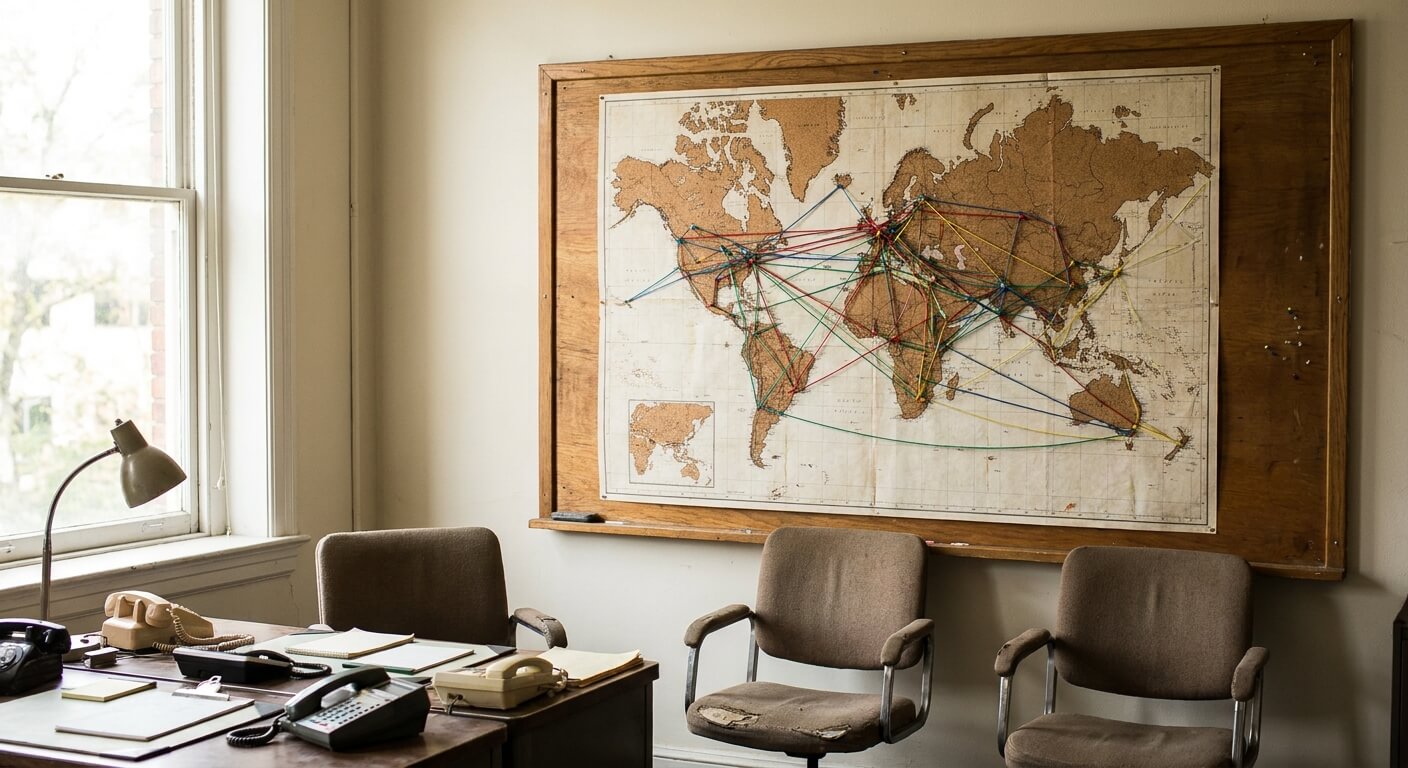
Before you look at any numbers, write down what the route is for. Some routes exist to earn money directly. Others feed riders into a stronger route, hold a contract or protect a station you want to keep.
A route can look weak on its own and still be worth running for those reasons. So the first step in deciding when to cancel a bus route is to name its job. If you cannot name one, that tells you something too.
We deliberately give no universal threshold here. No single percentage of filled seats applies to every operator, because costs, fares and distances differ. Your own history is the only fair yardstick.
6 Essential Signals Before You Cancel
These six signals work best when you read them together. One bad week proves little, but several signals pointing the same way over a long stretch is a real pattern.
- Seats stay empty on most departures across several months, not just one season
- Revenue per trip stays below the cost of running that trip
- The route no longer feeds riders into your other routes
- Demand dropped and nothing in your sales shows a way back
- A fix has already been tried, such as a new time, a new fare or a new sales channel
- Running the route blocks a vehicle or driver that a stronger route could use
Signal 1: Empty seats that stay empty
Look at how full each departure is over a long window. Our guide to bus load factor explained shows how to measure it and what the number does and does not tell you.
Check by day of week and by time of day as well. A route that is empty on Tuesday morning but full on Friday evening may need a new timetable, not a cancellation.
Signal 2: Revenue that does not cover the trip
Add up what each trip earns and set it against what the trip costs you. Include the vehicle, the driver, fuel and the sales fees you pay. Be honest about what you count.
If you do not yet have clean numbers, say so and collect them first. Making a cancellation decision on a guess is how operators cut routes that were close to breaking even.
Signal 3 to 6: The wider picture
Signals three to six are about context. Does the route feed others, is the demand drop lasting, have you tried fixes and does it tie up resources? None of these shows up on a single sales report.
Write the answers down for each route you review. A short note beside the numbers will help the next manager understand why the decision was made.
Try a Fix Before You Decide
Cancelling should come after you have tried changing the route. The cheapest changes come first, and most of them cost nothing but attention.
- Move a departure earlier or later and watch the next four weeks
- Cut the number of weekly departures rather than the whole route
- Check that the route appears in every channel where riders buy
- Review the fare against the distance and against other options
- Look for a pattern in who books, such as groups or regular commuters
Our article on a bus route performance review walks through a calm monthly check you can use for this. Run it for a full cycle before you call a route dead.
If the fixes change nothing after a fair period, you have earned the right to decide. That is the moment when to cancel a bus route stops being a feeling and becomes a documented choice.
A Simple Example With Made-Up Numbers
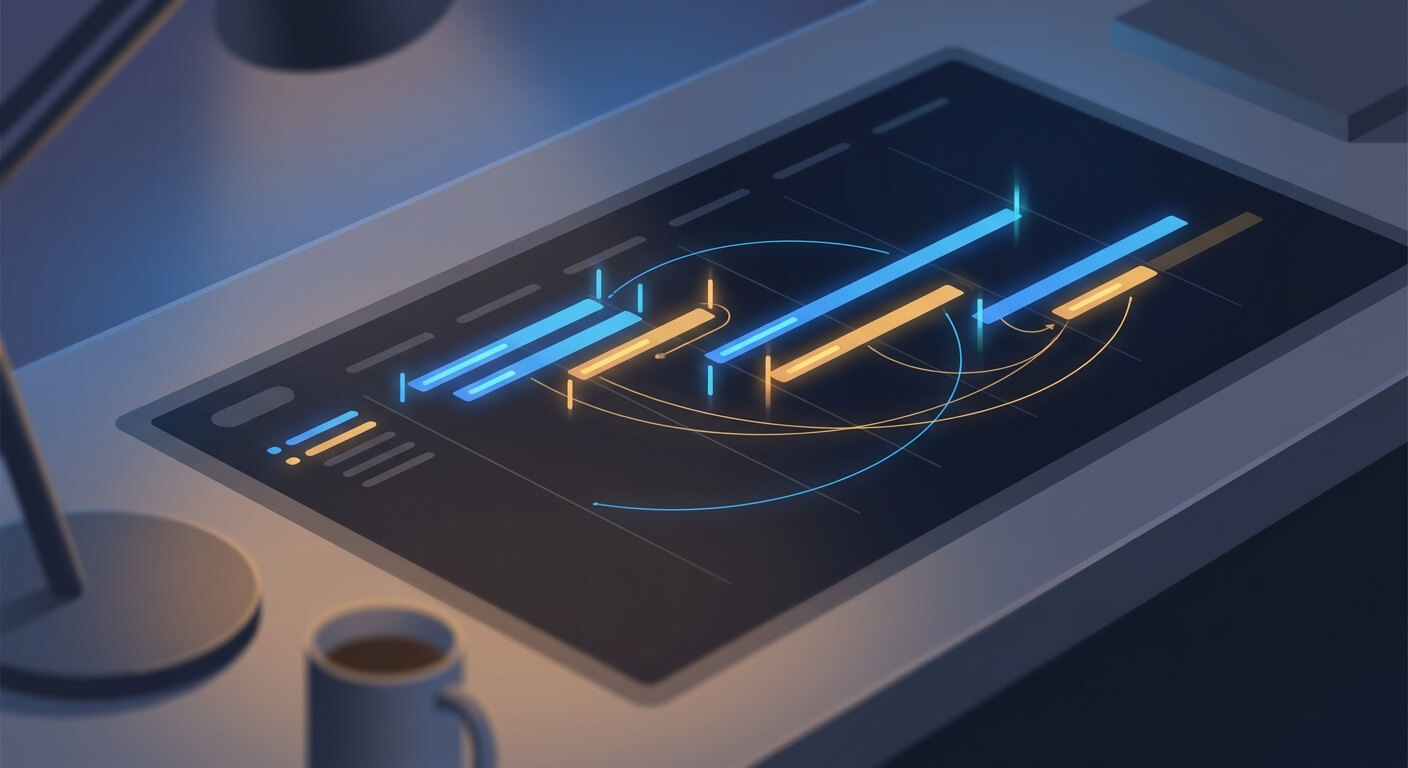
Imagine a route that runs two departures a day, six days a week. Suppose each trip costs more to run than it earns, and has done so for four months. This is an invented case, not data from any operator.
In that case, you would first try moving one departure and trimming the weekly count. If nothing improves after a full cycle, the route fails the test of when to cancel a bus route on both revenue and seats.
Now add one more fact: the route brings riders to a stronger route at the other end. That changes the answer, because the weak route may be earning money elsewhere in your network. This is why the six signals must be read together.
How to Cancel a Bus Route Without Losing Trust
Once you decide, the way you cancel matters as much as the decision. Riders forgive a route ending far more easily than they forgive finding out at the station.
Give as much notice as you can. Tell people through every channel you use to sell, so nobody learns of it only when they arrive.
Here is a simple order of work for the weeks around a cancellation.
- Set the last day of service and stop selling beyond it
- List every ticket already sold for dates after the last day
- Decide in advance how each of those tickets will be handled
- Tell riders directly and in plain words
- Keep a staff note so the counter and phones give the same answer
Handle tickets that are already sold
This is the part that leaves operators exposed. A rider with a ticket for a date after the last day needs an answer, such as a refund or a move to another departure.
Our guide to how to refund passengers when a trip is cancelled covers the steps. Decide your rule first, then apply it the same way to everyone.
Remove the route from every sales channel
A route that still shows as bookable somewhere will keep taking money. That creates more refunds and more unhappy calls after the cancellation.
UBT describes shared APIs that sync instantly across all sales channels, including third party websites. If your setup works that way, one change should reach every channel. Check this on a test date before the last day.
What a Ticketing System Should Let You Do
When to cancel a bus route is a business question, but your system decides how painful the cancellation is. In the best case you change the schedule once and every channel follows.
UBT’s own site puts it this way: need to cancel a busline, or move it an hour later because of mechanical issues? The system lets you move your schedule around. That is the kind of control to look for.
Ask any vendor to show you these things on a live demo, not a slide.
- Cancel a single departure and a whole route separately
- See every ticket already sold against that route
- Stop new sales immediately across every channel
- Move a departure to a different time and keep the bookings
- Pull a report of affected riders to contact them
We also have a longer piece on how to change a bus schedule at the last minute, which covers the same controls on a smaller scale.
After the Decision: Record What You Learned
Keep a short file for every route you cancel. Note the dates, the signals you saw, the fixes you tried and what you decided about sold tickets. It takes ten minutes and saves hours later.
Review the file before you launch new routes. Many operators find the same weak signs appear before each cancellation, and the file helps you spot them earlier.
Also set a date to look again. Some routes can return when conditions change, and you will want to know why you stopped the first time.
Talk Through Your Routes With UBT
If you are weighing which routes to keep and want to see how a ticketing system handles a cancellation or a schedule change, we are happy to walk through it with you. Request a conversation with the United Bus Tech team and tell us how many routes you run today.