
A bus ticket exchange policy tells your staff what a passenger may swap an existing ticket for, and on what terms. It is narrower than a refund rule and different from rebooking, because an exchange replaces one ticket with another product rather than only moving a date.
This guide is for the owner or operations manager of a bus company. It covers five rules for a bus ticket exchange policy: what counts as an exchange, what the new ticket may be, how the value difference is handled, how far ahead the exchange is allowed and how the old ticket is closed.
It gives no fee amounts, because those depend on your market and your own fares.
Our existing guides cover rebooking, transfer, void and refund separately. This one stays on the boundary between them, so that a counter agent knows which rule applies when a passenger says, “I need to swap my ticket.”
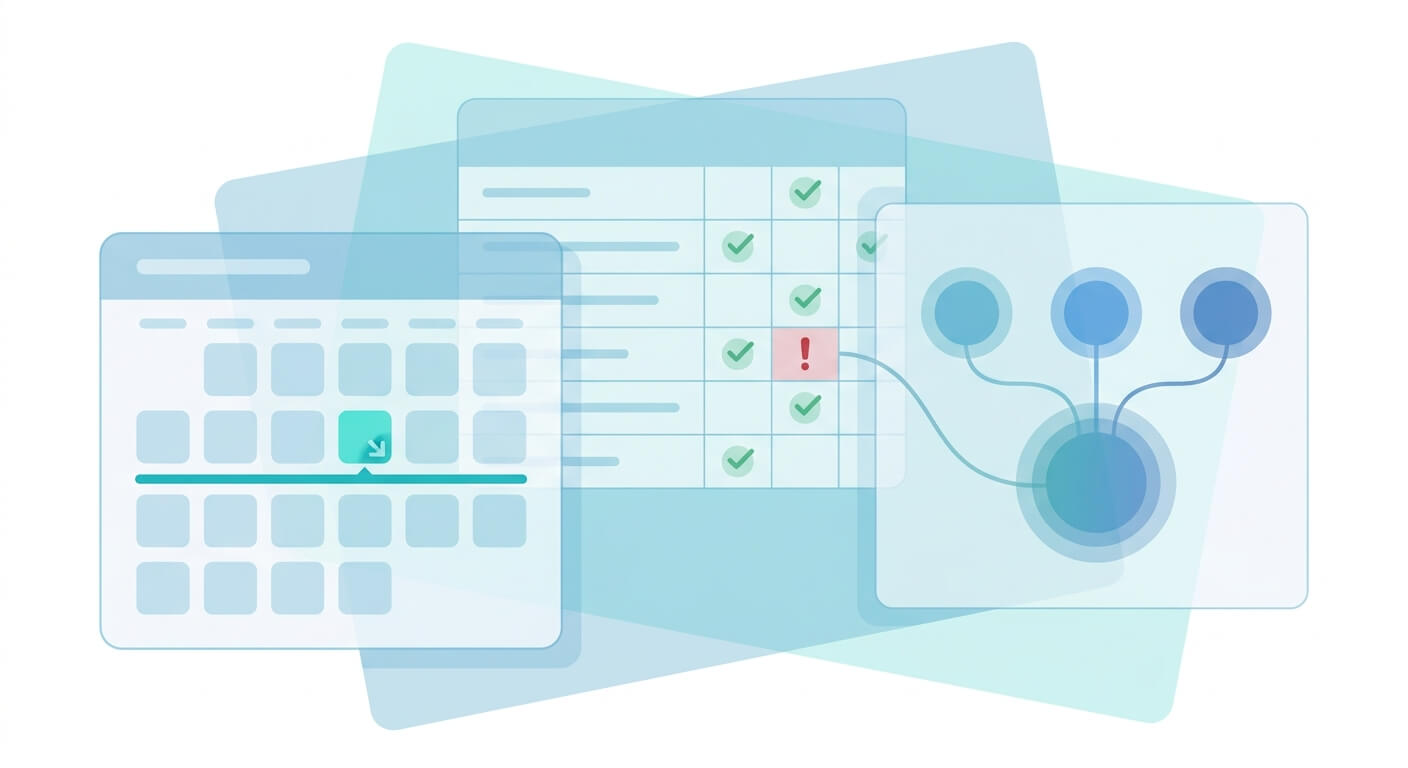
What a Bus Ticket Exchange Policy Must Define First
Passengers use the word exchange for several different requests. One wants to travel on another day. Another wants a different route. A third wants a different fare class, and a fourth wants to give the ticket to a friend. Each request touches a different rule in your company.
A bus ticket exchange policy should say what you mean by the word. A common approach is to define an exchange as replacing a ticket with another ticket from the same company, with the original ticket closed.
A date change on the same trip is then handled by the bus ticket rebooking policy, and a person change by the transfer rule.
Without this definition, agents decide on the spot. The same request is called a rebooking in the morning and an exchange in the afternoon, and the fee is different each time. Passengers notice, and so do your accounts.
Keep the definition short enough to print on a counter card. If the first sentence of your policy needs a paragraph, the agents will not use it.
Rule 1: Decide What Counts as an Exchange
The first rule is the boundary. List the requests that are exchanges, the ones that belong to another policy and the ones that you do not accept. A simple table with three columns is enough for most teams.
Typical exchange requests are a different route, a different direction, a different class of seat or a change from a one-way to a round trip. Typical non-exchanges are a name correction, a transfer to another person and a request for money back.
Write the boundary in terms of what the passenger holds and what they want. For example, “holds a ticket and wants another ticket” is an exchange. “Holds a ticket and wants money” is a refund. Short sentences like these stop long discussions at the window.
Review the list when your product range changes. A new pass, a new fare class or a partner product can create exchange requests that your old wording does not cover.
Rule 2: Decide What the New Ticket May Be
The second rule limits the new ticket. Some operators allow an exchange only for a like-for-like trip. Others allow any trip on the network, provided the passenger pays any difference. Each choice affects revenue and the workload at the counter.
Think about the cases that cause trouble. An exchange from a quiet departure to a busy one can displace a full-fare passenger. An exchange to a different route changes your load on both. Your inventory has to be checked before the exchange, not after.
This is where the system matters. United Bus Tech describes inventory control and shared APIs that sync across all sales channels, so a seat that is released by an exchange can be sold again and a seat that is taken is not oversold.
Whatever platform you use, confirm that an exchange updates inventory in the same step.
Decide also whether exchanges are allowed between promotional and standard fares. Our article on refund rules for promotional bus fares covers the same question from the refund side, and your answers should match.

Rule 3: Decide How the Value Difference Is Handled
The third rule is money. When the new ticket costs more than the old one, the passenger pays the difference. That part is easy. The hard question is what happens when the new ticket costs less.
Operators choose among three answers: refund the difference, issue it as a credit, or keep it. Each is defensible, and none is right for every company. A credit keeps the money with you and may bring the passenger back.
A refund is simpler for the passenger. Keeping the difference is the harshest and the one most likely to cause complaints.
Whichever you choose, apply it consistently and print it where the passenger sees it before buying. A rule that appears only after the exchange is a source of disputes. Our guide to the bus ticket refund policy can help you keep the two rules aligned.
Decide how a fee, if any, is shown. Many operators present the exchange fee and the price difference as separate lines, so the passenger sees what each part is for. Clear lines also make your reports easier to read.
Rule 4: Decide the Limits: How Many Times and How Late
The fourth rule sets limits. How many times may one ticket be exchanged? How close to departure is an exchange still allowed? Both limits protect your inventory and your staff.
A single exchange per ticket is a common starting point, because repeated exchanges create long histories that are hard to audit. If you allow more, require a senior approval after the first one.
The cut-off is a trade-off. A late exchange helps the passenger and costs you a seat that might have been resold. An early cut-off protects the seat but turns away people with genuine reasons.
Look at how many exchange requests arrive in the last hours before departure and decide from your own data.
Put the limits in the booking flow and on the confirmation, not only in a long page of terms. Staff should be able to point to a short line that the passenger has already seen.
Rule 5: Close the Old Ticket and Record the Exchange
The fifth rule is the one that protects you from loss. When a new ticket is issued, the old one must stop being valid at once. Otherwise both can reach the door, and your driver is left to decide which is genuine.
Our guide to the bus ticket void policy explains how to close a ticket cleanly. An exchange is effectively a void of the old ticket and an issue of the new one, linked together so that an auditor can follow the trail.
Record who made the exchange, when, which ticket it replaced and what difference was charged or credited.
United Bus Tech describes ticket validation and real-time reporting, and the point of those features for this policy is simple: the validation device must not accept a closed ticket, and your report must show the link between the two.
Review a sample of exchanges each month. Look for repeated patterns, for example the same agent granting exceptions or the same route attracting late swaps. The review is where a written policy turns into a practice.
Common Mistakes in a Bus Ticket Exchange Policy
The first mistake is using the word exchange for everything. When rebooking, transfer and exchange share one phrase, each agent applies a different rule. Define the terms once and use them everywhere.
The second mistake is hiding the value-difference rule. Passengers who learn at the window that a cheaper ticket gives them nothing back will remember it. Show the rule in the booking flow.
The third mistake is leaving the old ticket valid. This is the one that costs money, and it is usually a system setting rather than a staff error. Test it before you launch the rule.
Putting Your Bus Ticket Exchange Policy Into Practice
A clear bus ticket exchange policy defines what an exchange is, what the new ticket may be, how the difference is handled, which limits apply and how the old ticket is closed. Write it on one page, train the counter staff with three real examples and review the first month of cases.
To see POS, ticket validation, inventory control and real-time reporting in one platform, request a walkthrough from United Bus Tech and bring your own exchange rules. We provide Technology as a Service, with no cost and no obligations if you do not like it.