
A bus ticket void policy tells your staff when a ticket may be cancelled out of the system as if the sale never happened, and when it must go through a refund instead. The two look alike at the counter, but they leave very different traces in your books.
This guide is for the owner or operations lead who writes the rules. It explains what a bus ticket void policy should cover, who should be allowed to use it, and how to keep a void from turning into a quiet way to lose money.
What a Bus Ticket Void Policy Is For
A void removes a ticket sale that should not have stood in the first place. Think of a wrong date keyed in, a duplicate sale created by a double tap, or a seat sold to the wrong trip and caught within minutes.
A refund is different. A refund acknowledges that a valid sale happened and returns the money under your refund rules. Your bus ticket void policy exists so that staff never confuse the two.
Void, Refund and Reissue Are Three Different Actions
Keep the vocabulary strict. A void erases a mistake, a refund returns money for a real sale, and a reissue replaces proof of purchase for a trip the passenger still has. Our notes on the bus ticket refund policy cover the refund side in detail.
When staff use the words loosely, the reports stop making sense. A bus ticket void policy that defines each action in one sentence prevents most of that confusion.
Why Operators Need One Written Down
Without a rule, voids happen by instinct. One agent voids anything a customer complains about, another never voids at all, and the end-of-day numbers differ from counter to counter for reasons nobody can explain.
A written bus ticket void policy gives every agent the same answer. It also gives you something to point to when a number looks wrong a week later.

When a Void Is the Right Tool
Set a narrow window and a narrow list of reasons. A void is for errors the agent can see right away, not for a passenger who changed their mind an hour later. Anything outside that list belongs in your refund process.
The tighter the definition, the fewer arguments you will have. Staff should be able to decide in a few seconds which path a request belongs to.
Reasons That Usually Qualify
Typical examples are a wrong route or date entered by the agent, a duplicate transaction, and a sale to the wrong passenger name caught before the ticket is used. Decide which of these you accept and write them down in plain words.
Do not try to list every possible case. Give the principle, which is that the void corrects an error in how the sale was recorded, and let a supervisor handle the rest.
Reasons That Should Go to Refund Instead
A passenger who no longer wants to travel, a missed departure, or a complaint about the trip is not a void. Those are real sales, and they belong in the refund or rebooking flow, with whatever fees or conditions your policy sets.
Spell this out for the counter team. A bus ticket void policy that blurs the line invites staff to void a sale just to keep a customer happy, and that is exactly where money disappears.
Train the Team on Real Cases
A rule on paper is not enough. Walk the counter team through three or four real examples and ask them to say whether each one is a void, a refund or a reissue. Use cases from your own station rather than invented ones.
Repeat the exercise whenever you onboard a new agent. A bus ticket void policy that is explained once and never revisited slowly drifts, and the drift shows up in your reports first.
Who Is Allowed to Void a Ticket
Voiding is powerful because it makes a sale vanish. Treat it like a cash-handling control, not a convenience. The most common safeguard is to limit the permission to a small group and to require a second person for anything outside the usual cases.
If your system lets you set permissions by role, use that. UBT lists point-of-sale, ticket validation, inventory control and real-time reporting together, so ask your vendor how roles and approvals work in your setup.
Separate the Person Who Sells From the Person Who Approves
The agent who made the error can request a void, but a supervisor should approve it. This one habit catches both honest mistakes and the occasional dishonest one.
At a small station the approver may be the owner. That is fine, as long as the approval is recorded and not done verbally and forgotten.
Record a Reason Every Time
Require a short reason for every void. Wrong date, duplicate sale and wrong passenger are enough. A reason field that is left blank is a warning sign in itself.
Over a month, those reasons tell you something useful. If one reason keeps repeating, the fix may be a clearer booking screen or better training rather than a stricter rule.
What Happens to the Seat and the Money
A void should return the seat to inventory at once, otherwise you create a phantom sold seat. It should also reverse the payment in a way that matches how the passenger paid, so that the books and the card statement agree.
Test this before you rely on it. Void a sample sale in a safe environment and watch what the seat map and the report show afterwards.
Seats Back on Sale Immediately
If you sell through several channels, a voided seat must be released everywhere. Otherwise the same seat looks sold in one place and free in another. The guide on how to stop overselling bus seats explains why one shared inventory matters here.
Ask your vendor how quickly a released seat shows up across channels. UBT describes shared APIs that sync across sales channels, so confirm the behavior for voids specifically.
Money Goes Back the Way It Came
A void on a card payment should reverse to the same card, and a cash void should be handled with a cash record and an approver. Never settle a void by handing over cash for a card sale.
Our guide to refunding to the original payment method explains the principle. The same logic applies to a void.
Keeping Voids Visible in Your Reports
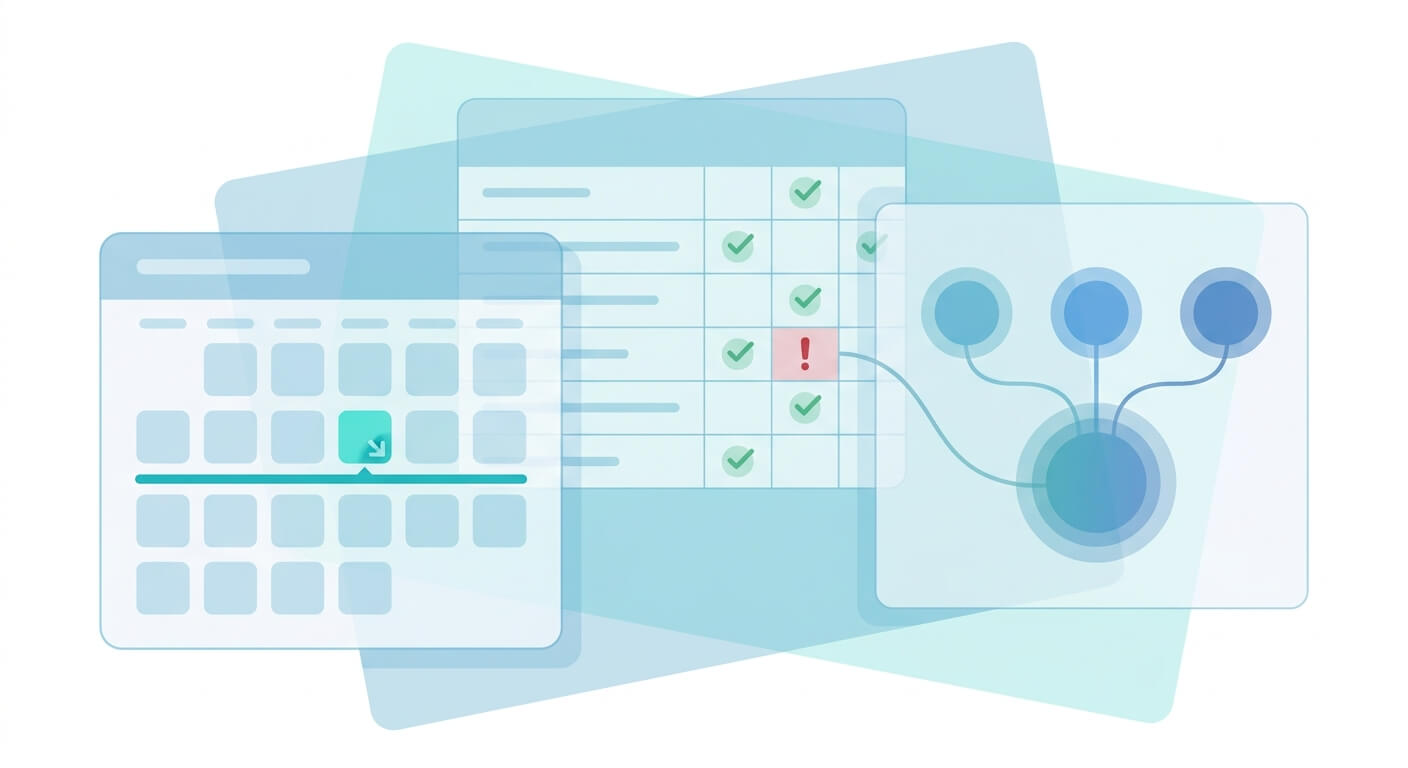
A void that is invisible is a risk. Your daily report should show how many voids occurred, who requested and approved them, and the reasons given. If your reports cannot show that, ask whether a different report or an export can.
Review the list on a regular rhythm. You are not looking for perfection, only for patterns that deserve a conversation.
A Simple Weekly Review
Once a week, scan the voids by agent and by reason. A single agent with many voids may need retraining, or may be the one who works the busiest shift. Look before you judge.
Pair the review with your daily sales report so the numbers you read are the same numbers your staff see.
Signs of Abuse
Watch for voids made late in a shift, voids right after cash sales, and voids with vague reasons. None of these proves anything by itself, but together they are the shape of a problem.
Our notes on preventing bus ticket fraud cover the broader set of controls around cash and validation.
A Starter Bus Ticket Void Policy You Can Adapt
Treat these lines as a draft to confirm against your own system and staff. They are not a standard, and every operator will set its own limits.
- Define void, refund and reissue in one sentence each.
- Allow a void only for recording errors found quickly.
- Require a reason and a second approver every time.
- Release the seat to inventory and reverse the payment the same way it came in.
- Review all voids once a week.
Say It Plainly to the Team
Print the one-page version and keep it at each counter. Staff should not have to hunt for the rule when a customer is waiting.
Walk through two or three real examples in a short meeting. A bus ticket void policy only works when people can apply it without thinking twice.
Final Thoughts on Your Bus Ticket Void Policy
A good bus ticket void policy is short, strict and visible. It separates voids from refunds, limits who can approve them, restores the seat and the money correctly, and shows up in your reports.
Start with the five lines above, test them against a few sample sales, and adjust. Set a reminder to reread the bus ticket void policy every few months, and check whether the approval step is followed or quietly skipped.
If you want to see how a ticketing system handles sales, validation and reporting in one place, request a walkthrough of UBT’s ticketing platform and bring your own void questions. UBT is free with no obligations: if you do not like it, there is no cost.