
Refund rules for promotional bus fares are the rules that decide what happens when a passenger who bought a discounted ticket asks for their money back.
Promotional fares attract buyers fast, but they also attract the most refund questions, because the passenger paid less and expects the same flexibility as everyone else.
This guide is written for operators who want those rules settled before the first sale.
We do not quote refund rates or industry averages here, since your numbers depend on your routes and your passengers. Every example below is conditional, so adapt it to your own business.

Why Refund Rules for Promotional Bus Fares Need Their Own Page
Most operators already have a general refund policy. The trouble starts when a promotion launches and nobody asks whether the general policy still fits a ticket sold at a reduced price.
Without clear refund rules for promotional bus fares, your counter staff and your support inbox end up deciding case by case.
Case-by-case decisions are slow, uneven and hard to defend. Two passengers with the same fare get different answers, and the one who loses starts a dispute.
Our guide to the bus ticket refund policy covers the general case. This article stays on the narrower question: what changes when the fare is a promotion.
Rule 1: Decide Whether Each Promotional Fare Is Refundable at All
Start with the plainest choice. A promotional fare can be fully refundable, partly refundable, refundable as credit only, or not refundable. Pick one outcome per fare type and write it next to the fare, not in a separate document nobody reads.
If you run a short flash sale, you might decide that sale fares are credit only. If you run a long seasonal offer, you might keep them refundable until a set cutoff. Either approach can work, as long as the passenger sees it before paying.
The key point in refund rules for promotional bus fares is that the rule must exist before the promotion, not after the first complaint.
Rule 2: Show the Rule Before Payment
A refund rule that appears only after purchase is not much of a rule. Put a short plain-language line on the offer page and again at checkout, so the passenger agrees to it knowingly. That single line prevents most of the arguments that follow.
Use the same words on every channel. If your own site says credit only but a partner site says refundable, you will be asked to honor the more generous version.
UBT describes shared APIs that sync instantaneously across all sales channels, including third party websites, so the same fare data can travel to every place you sell.
Check how your own setup publishes fare details and where each refund rule is stored. Consistent refund rules for promotional bus fares depend on the rule traveling with the fare.
Rule 3: Separate Passenger Cancellations From Operator Cancellations
These are two different situations and they should never share one rule. When the passenger decides not to travel, your promotional terms apply. When you cancel or change the trip, the passenger did nothing wrong and expects a fair outcome whatever fare they paid.
Treat operator cancellations as their own track. If a bus breaks down and you move a departure later, the passenger on a sale fare and the passenger on a full fare are in the same position.
UBT lets operators move a schedule around when a vehicle has a mechanical problem, which is the kind of event that triggers this rule.
Our article on how to refund passengers when a bus trip is cancelled goes deeper on that flow. Keep it separate from your refund rules for promotional bus fares.
Rule 4: Choose the Refund Method and Say It Plainly
Next, decide how the money returns. You can send it back to the original payment method, issue credit toward a future trip, or offer a choice. Each option has a different effect on your cash and on passenger goodwill.
Credit suits many promotions because it keeps the passenger in your network. It also creates a liability you have to track, so make sure your reports show outstanding credit clearly.
Whichever route you pick, state it in the rule. Vague wording such as “subject to review” invites disputes, while a specific line such as “credit valid for a set period” gives staff something to point to.
Rule 5: Set a Cutoff and Handle Changes Separately
Most refund rules for promotional bus fares include a cutoff: the last moment a passenger can cancel under the promotional terms. For example, if your cutoff is a set number of hours before departure, a request after that point follows the no-refund path.
Choose a number that suits your operation and publish it.
Treat a change differently from a cancellation. A passenger who wants to move to another departure may be happy with a smaller fee than a full refund would cost you. Our guide to the bus ticket name change policy shows how to handle that related request.
Whatever you choose, apply it the same way to every passenger holding that fare, and keep the cutoff visible on the ticket itself.
A Conditional Example of Refund Rules for Promotional Bus Fares
Imagine an operator who runs a weekend promotion on one route and decides that promotional fares are credit only, with a cutoff set before departure.
A passenger cancels before the cutoff and receives credit, while a passenger who cancels after it receives nothing, exactly as the offer page stated.
Now imagine the operator cancels one departure because of a mechanical problem. Every passenger on that trip, sale fare or not, is offered a change or a full refund under the operator-cancellation track, which keeps the two situations from blurring.
This is only an illustration, not a recommendation of particular terms. The value of the example is that each outcome follows a rule written before the promotion began, which is what good refund rules for promotional bus fares always aim for.
How to Set Up Refund Rules for Promotional Bus Fares in Your System
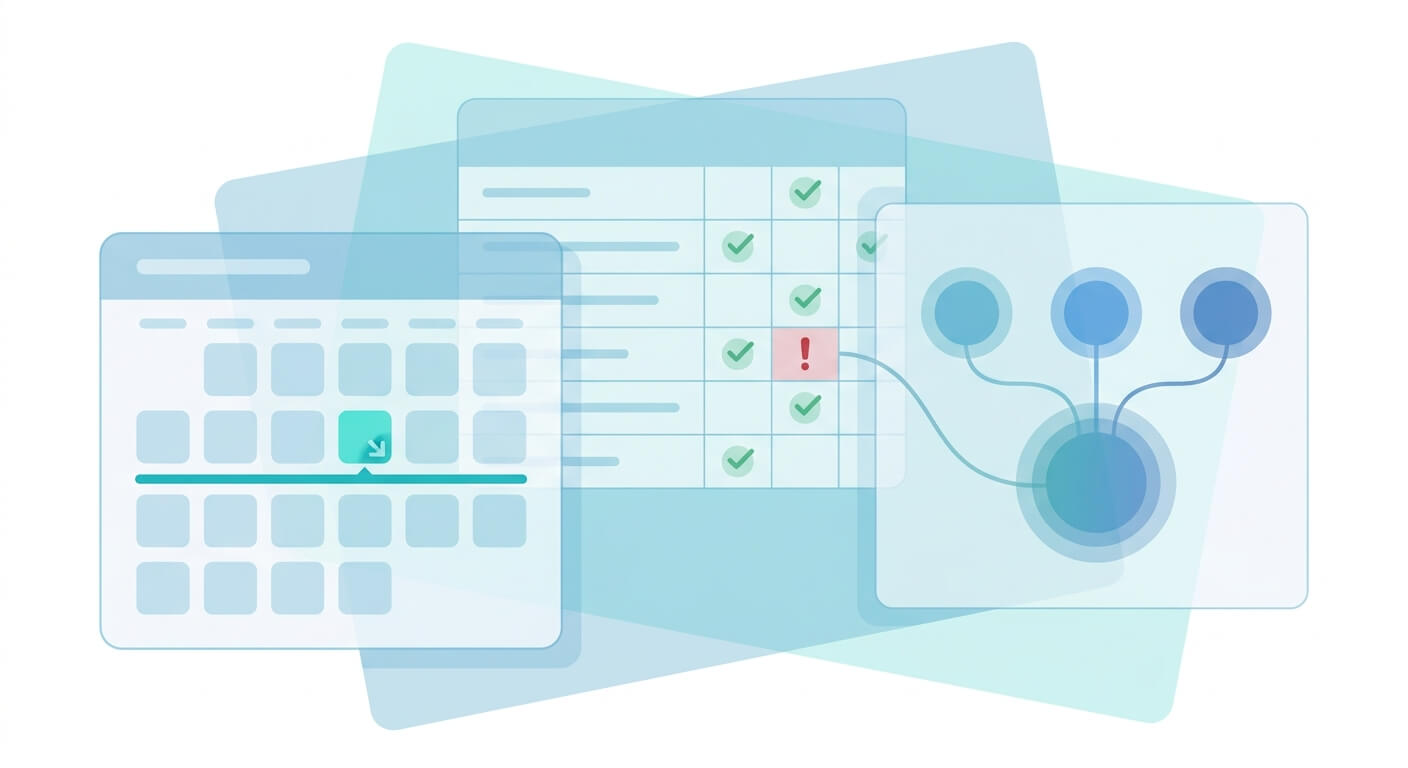
Once the five rules exist on paper, test them in the system you use to sell. Ask whether a refund rule can be tied to a fare type or must be handled by hand. If it is manual, plan for the extra work on a busy sale day.
Run three test cases before launch. Cancel a promotional ticket inside the window, cancel one outside it, and cancel one because you changed the trip. Check that each case produces the outcome your written rule promises.
Also check that the refund shows up in your reports under a clear label. If promotional refunds blend into general refunds, you cannot learn whether a promotion helped or only moved demand around.
Common Mistakes With Promotional Refunds
The first mistake is copying the general policy without asking whether it fits a lower price. The second is letting each channel word the rule differently. The third is forgetting that payment disputes can follow a refused refund.
On that last point, read our note on bus ticket chargebacks. A clear rule shown before payment is also your best evidence if a card dispute arrives.
A fourth mistake is changing the rules mid-promotion. If you must adjust, apply the new rule only to tickets sold after the change and say so openly.
Put Your Rules in Writing
Good refund rules for promotional bus fares are short, visible and the same on every channel. Decide refundability, show the rule before payment, separate operator cancellations, name the refund method and publish a cutoff.
If you want to see how a ticketing system can keep fare data and schedule changes consistent across channels, Technology as a Service means no cost and no obligation if you do not like it. Request a free walkthrough from United Bus Tech and bring your own promotion rules to test.