
Event shuttle return trips are the hardest part of any event transport job. Getting people to a venue is spread over an hour or more. Getting them home happens all at once, when the event ends and everyone wants a seat at the same moment.
This guide is for bus operators and managers who run shuttles for concerts, festivals or sports. It sets out five steps for planning event shuttle return trips, from the first estimate to the last empty bus. We quote no demand figures, because only your own records can supply them.
Where we mention United Bus Tech (UBT), we rely only on what its site states. Anything beyond that is a question to ask your vendor.
Why Event Shuttle Return Trips Fail More Often Than Arrivals
Arrivals are forgiving. People trickle in, the first bus fills slowly, and a late bus costs little. Event shuttle return trips have none of that slack. A crowd stands at one pickup point, and every minute of delay feels long.
The second difference is uncertainty. You know when the gates open, but the end time moves. Encores, delays and extra time can push the finish later than planned, while buses and drivers are already waiting.
The third difference is mood. Passengers heading out are tired, and some have waited a long time already. A confusing queue at the pickup zone turns into complaints faster than any problem on the way in.
That is why event shuttle return trips deserve their own plan, not a copy of the outbound schedule with the times reversed.
Step One: Estimate Demand for Event Shuttle Return Trips
Begin with what you know. How many seats did you sell or reserve for the outbound journey? Do those passengers hold return tickets as well, or do they decide on the night?
If return seats are sold in advance, the job is simpler. You know how many people to expect and where they are going. Our guide to event shuttle booking system explains how to structure that sale.
If return seats are not sold in advance, plan for a range. Ask yourself: if a quarter of the crowd arrives at once, or half, how many buses do I need? Choose a plan that holds up in the busy case.
Look at past events of the same kind when sizing event shuttle return trips. Records of earlier nights, with the number of passengers per departure, are worth more than any rule of thumb. If you have no history yet, treat the first event as a test and record everything.
Step Two: Design the Pickup Zone for Event Shuttle Return Trips
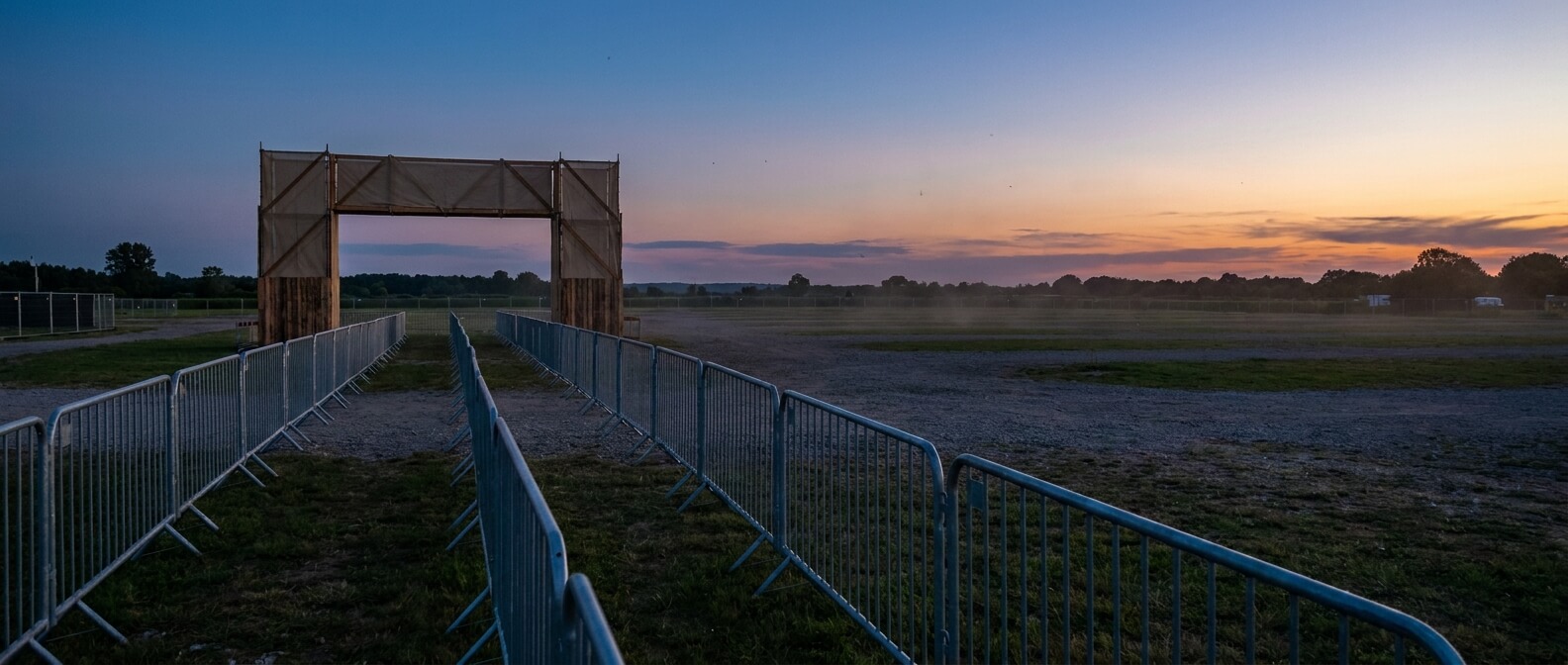
The pickup zone decides how smoothly event shuttle return trips run. A single curb with one sign and a crowd is a recipe for pushing and confusion. Several clearly marked bays are far easier to manage.
Group passengers by destination. Put each route or stop on its own bay, with a sign visible from a distance. Staff in high-visibility clothing should point people to the right line before they reach the front.
Leave room for the buses to enter and leave. A queue of passengers that blocks the lane stops the loading it was meant to speed up. Walk the layout with your drivers before the event.
Check the route between the venue exit and the pickup zone. If it is long, dark or confusing, signs and staff on the way help more than extra buses. Talk to the venue about where your zone can sit.
Step Three: Build the Departure Schedule Around the End Time
Do not tie departures to a fixed clock time alone. The event may end earlier or later than planned. Tie the first wave to the actual end, and give dispatch a simple rule: the first buses leave as soon as they are full, and the rest follow in a steady stream.
Plan event shuttle return trips in waves. The first wave takes the people who leave early. The main wave follows the final act or whistle. A last wave clears stragglers. Each wave needs its own number of buses and its own staff.
Keep spare capacity near the venue but out of the way. A few buses on standby let you respond if the crowd is larger than expected. Our piece on event shuttle scheduling software looks at the planning side in more detail.
Agree a latest departure time with drivers in advance. Hours rules and rest breaks apply to your team, and a late event can cause trouble if you have not planned for it.
Step Four: Communicate During Event Shuttle Return Trips
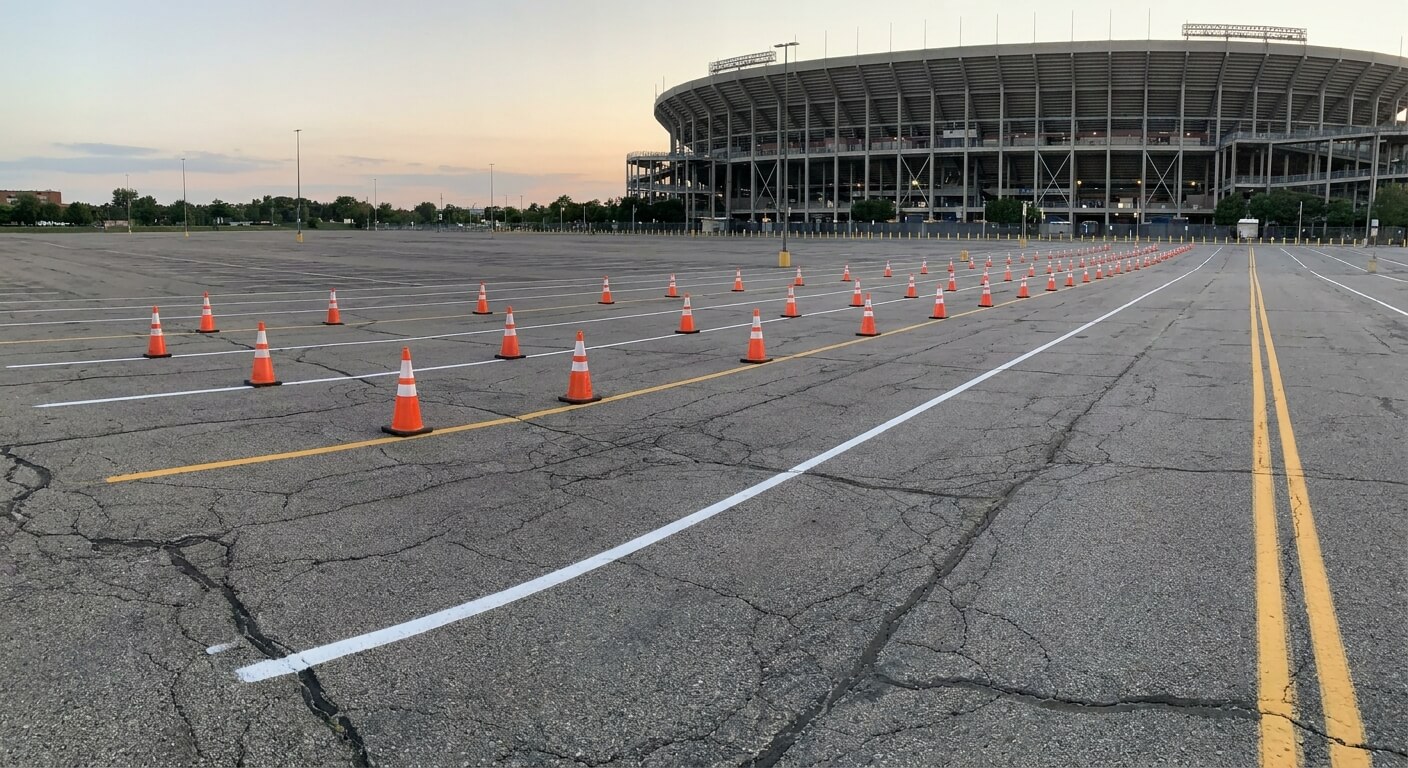
Passengers cope with queues on event shuttle return trips when they know what is happening. They do not cope well with silence. Tell people where to go, how long the wait might be and what to do if their bus is full.
Use signs, staff with radios and, where you can, messages to phones. UBT mentions automated SMS boarding reminders and ETA tracking on its site. Ask your vendor how these could support a crowd leaving an event, and test the answer before the night.
If a bus is delayed, say so quickly. Our article on how to notify passengers of a bus delay lists the points to cover in a short, calm message.
Give your staff one voice. A supervisor should be able to tell the whole team what changed, so that passengers hear the same answer from every uniform.
Step Five: Check the Manifest Before Each Departure
Even in a hurry, event shuttle return trips need a count. Know how many people are on each bus before it leaves. It keeps you safe, and it keeps your numbers honest for the next event.
If you scan tickets, scan at the door of the bus. UBT lists flexible ticketing validation options on its site, so ask how scanning works with a fast-moving crowd. Our guide to the bus boarding check-in process describes a simple routine that can be adapted to events.
If you do not scan, use a hand count and a short manifest. A shorter check is better than none. The key is that every bus leaves with a recorded number.
Close each departure with a quick note: time left, passengers loaded, anything unusual. These notes make the review after the event much easier.
Common Mistakes in Event Shuttle Return Trips
The first mistake is planning return capacity from the outbound schedule. The two flows look nothing alike, and the return peak is sharper. Plan them as separate jobs.
The second mistake is leaving drivers without clear instructions. A driver who does not know where to wait or when to go will make a guess, and guesses cause blocked lanes.
The third mistake is ignoring the weather. Rain or cold makes crowds more impatient and more likely to crowd the first bus. Have a plan for shelter and extra staff.
The fourth mistake is forgetting accessibility. Passengers who need extra time or space should have a clear place to wait and board, with staff who know how to help.
The fifth mistake is skipping the review. If you do not look back at the night, the same problems return at the next event.
Review Your Event Shuttle Return Trips Afterwards
Within a few days of the event, gather your team and your numbers. How long did the main wave take to clear? Where did queues build? Which bays worked, and which did not?
Compare your estimate with the real demand. If you planned for a large crowd and a smaller one came, note why. If you were short of buses, note when it happened and how it felt on the ground.
Keep the review short and write it down. A single page, stored with the event file, saves you from starting again each time. Our guide to event shuttle management software covers the wider job of keeping event records together.
UBT lists real-time reporting beside its point of sale, ticket validation and inventory control. Ask in a demo how those reports could show departures and loads for an event night.
A Simple Checklist for Event Shuttle Return Trips
Before the event: confirm the end time, the number of return seats, the pickup zone and the staff roster. Brief drivers and give them a map. Make sure signs, radios and cones are in place.
During the event: watch the end time, bring the first wave of buses forward and keep the standby buses ready. Let supervisors adjust the plan as the crowd builds.
After the event: close the last departure, count the buses and staff, and record what happened. Hold a short review while memories are fresh.
Good event shuttle return trips are mostly preparation. When the plan is clear, the night itself feels calm, and passengers go home remembering the event, not the queue.
If you want to see how UBT could help you sell, check and report on event shuttle return trips, request a conversation with United Bus Tech and bring one real event as the example to work through.