
Understanding how account based ticketing works starts with one idea: the ticket lives in an account, not on the thing the passenger carries. A card, a phone or a printed code is only a key that points to that account. The fares, the rules and the history all sit in your back office.
This guide explains how account based ticketing works for bus company owners and operations managers. It covers the moving parts, the order of events on a trip, and the questions to ask a vendor. We quote no figures, because results depend on your routes.
Where we mention United Bus Tech (UBT), we rely only on what its site states. Anything else is a question to put to your vendor before you rely on it.
How Account Based Ticketing Works in One Minute
In a traditional setup, the ticket is the product. A paper ticket or a stored-value card carries the value, and the validator at the door reads that value. If the card is lost, the value goes with it.
To see how account based ticketing works, flip that around. The passenger has an account, and the account holds what they are entitled to. The card or phone simply identifies who is boarding, and the system looks up the rest.
That shift sounds small, but it changes what you can do. Because the logic lives in the back office, you can change a rule once and every channel follows. You are no longer rewriting what is stored on thousands of cards.
If you want the wider context first, our overview of account based ticketing for bus operators covers the concept at a higher level. This article goes one level deeper into the mechanics.
Step One in How Account Based Ticketing Works: Creating the Passenger Account
Everything begins with an account. It may be created when a passenger first buys online, at the counter, or through a corporate sign-up. The account gets a unique identifier, and that identifier is what the system uses from then on.
The account can hold contact details, payment methods and a record of past trips. Keep the data to what you genuinely need. The less personal information you store, the less you have to protect.
Some operators also allow guest purchases that do not need a full account. In that case the system still creates a lightweight record behind the scenes, so the rest of the process works the same way.
Step Two in How Account Based Ticketing Works: Linking a Medium
Next, in how account based ticketing works, the account is linked to one or more media. A medium is anything the passenger can present at boarding, such as a QR code on a phone, a printed code, a card or a booking reference.
This is the part many people misunderstand when they ask how account based ticketing works. The medium does not store the fare. It stores, at most, a reference that lets the validator find the account.
Because several media can point to the same account, a passenger who loses a card can switch to a phone code without losing a purchase. For you, that means fewer replacement tickets and fewer arguments at the counter.
Decide early which media you will accept. A short list that staff can verify quickly is better than a long list that creates confusion at the door.
Step Three in How Account Based Ticketing Works: Storing Entitlements
When a passenger buys, the system does not write a value onto a medium. It records an entitlement in the account: this person may travel on this departure, or on any departure within these rules.
Entitlements can be as simple as a single seat on a single trip. They can also be more flexible, such as a bundle of rides or a pass that applies to a route. The structure is yours to design, within what your software supports.
Since entitlements are stored centrally, they are visible to every sales channel at once. UBT states that its shared APIs sync instantaneously across all sales channels, including third party websites. That is the kind of capability this model depends on.
A passenger who buys through a partner site and a passenger who buys at your counter end up in the same inventory. That is how overselling is avoided.
Step Four in How Account Based Ticketing Works: Validation at Boarding
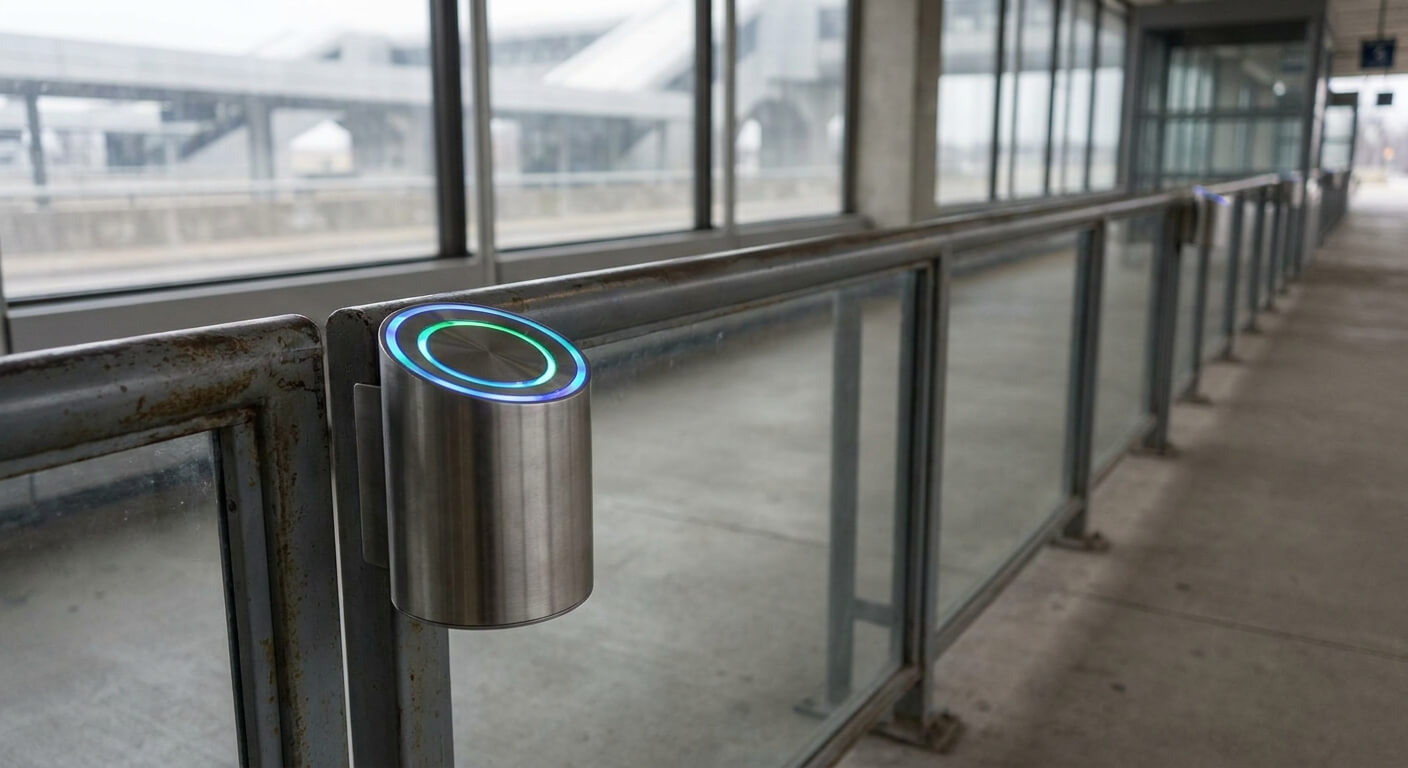
At the door, the validator reads the medium and asks the back office a question: does this account have a valid entitlement for this departure? The answer comes back, and the driver or agent sees a clear result.
This is the moment where how account based ticketing works becomes visible to the passenger. They tap or scan, and the system does the checking. Nobody has to read a paper ticket or compare names by hand.
UBT lists flexible ticketing validation options on its site. When you evaluate any product, ask exactly which media it can read and what happens when the connection to the back office is slow or unavailable.
That last question matters on rural routes and in underground terminals. A validation process that fails when the signal drops will cost you more than it saves.
Step Five in How Account Based Ticketing Works: Reporting and Review
After the trip, how account based ticketing works means the system records that the entitlement was used. That record feeds your reports, your reconciliation and any revenue sharing you do with partners.
Because every boarding is tied to an account, you can see patterns that anonymous paper tickets hide. You can tell which passengers travel often, which routes they combine and where they stop travelling.
UBT lists real-time reporting alongside point of sale, ticket validation and inventory control. Ask any vendor which of those reports you can see by account and by route, and how quickly they update.
Finance teams benefit too. Matching a boarding to an entitlement is far simpler than matching a pile of paper stubs to a sales log, a topic we cover in the practical benefits of account based ticketing.
What Changes for Staff and Passengers When You See How Account Based Ticketing Works
For staff, the biggest change is that the screen answers questions that used to need judgement. Is this ticket valid? Has it been used? Can it be moved? The system shows the answer, so training focuses on exceptions.
For passengers, the change is mostly invisible when it works. They carry one thing, they tap or scan, and they board. If something goes wrong, staff can look up the account rather than ask for proof.
There is a catch. When everything depends on the account, a problem with the account blocks the journey. Make sure your team knows how to find an account quickly and how to override in a documented case.
Plan a clear fallback for the day the system is slow. A printed manifest and a manual check are still worth keeping, even in a modern setup.
How Account Based Ticketing Works Compared With Card Based Systems
In a card based system, the card holds the value and the rules travel with it. Changing a fare structure can mean updating every card in circulation, which is slow and expensive.
In a setup where you see how account based ticketing works, the rules sit in the back office. You change them once. The same card keeps working because it was never carrying the rules in the first place.
Neither approach is right for everyone. A small operator with a single route may be well served by a simple setup. Our comparison of account based versus card based ticketing sets out the trade-offs in more detail.
The decision usually comes down to how many channels you sell through, how often your fares change and how much reporting you need.
Questions to Ask About How Account Based Ticketing Works in a Product
Ask the vendor how the account is identified at boarding, and what happens if the medium is lost. Ask whether a passenger can hold more than one medium, and how you would revoke one.
Ask where the account data is stored and who can see it. A passenger record is personal data, and you are responsible for it. Do not accept a vague answer.
Ask what happens during an outage. If validators cannot reach the back office, can they still check a recent cache, or do they stop? Ask for the answer in writing.
Finally, ask for a limited trial. UBT states on its site that its service is free with no obligations, and that if you do not like it there is no cost to you. A trial on one route will teach you more than any brochure.
A Simple Example With Conditional Numbers
Imagine a company that sells tickets online, at a counter and through one partner site. A passenger buys a seat through the partner and later asks the counter to move it to another departure.
In a paper world, the counter needs the original ticket and must check with the partner by phone. Under how account based ticketing works, the agent looks up the account, sees the entitlement and moves it in one step.
The partner site sees the change at once, because the entitlement is stored centrally. Nobody sells the vacated seat twice, and the passenger leaves with a new code on the same phone.
This is only an illustration of how account based ticketing works. The exact steps depend on your software and your rules, so test any scenario like it in a demo before you commit.
How to Start Without Taking a Big Risk
Pick one route and one type of passenger. Run the new process alongside your current one for a short period and compare what staff and passengers actually experienced.
Our guide to an account based ticketing pilot programme describes how to scope a trial, what to measure and when to stop. Keep the scope small so that a failure is cheap.
Document what you learn. Write down every case where staff had to improvise, and every question passengers asked. Those notes become your training material when you extend the process.
Do not rush to remove the old process. Keep it available until you are confident that the new one handles your busiest days.
The goal of understanding how account based ticketing works is not to adopt it for its own sake. It is to decide, with facts, whether it solves a problem you actually have.
If you would like to see how UBT could fit your routes, request a conversation with United Bus Tech and bring one real scenario from your own operation to work through.