
The benefits of a point of sale ticketing system are easy to list and hard to judge until you picture them in your own ticket office. Every operator wants faster sales and cleaner records, but a bus company has to ask which benefits show up on an ordinary Tuesday.
This guide is written for bus company owners and operations managers. It explains seven benefits of a point of sale ticketing system in plain terms, with questions you can ask a vendor to test each one. We quote no savings or percentages, because they depend on your business.
Where we mention United Bus Tech (UBT), we use only what its site states. UBT lists “Point-of-Sale, Ticket Validation, Inventory Control, and Real-time Reporting” together. Anything else, ask to see before you rely on it.
What the Benefits of a Point of Sale Ticketing System Look Like in Practice
A point of sale ticketing system is the tool your staff use to sell a ticket at the counter, at a pop-up desk or by phone. The sale is recorded the moment it is made, and the record feeds the rest of your operation.
That sounds simple, but most of the benefits come from what happens after the sale. A good record flows into seat counts, boarding checks and reports. A poor one stays on a slip of paper or in a spreadsheet that nobody trusts by Friday.
We have a separate article on what a bus ticket POS system is and another on a bus POS checklist. This guide takes a different angle: it lists the gains and shows how to test them.
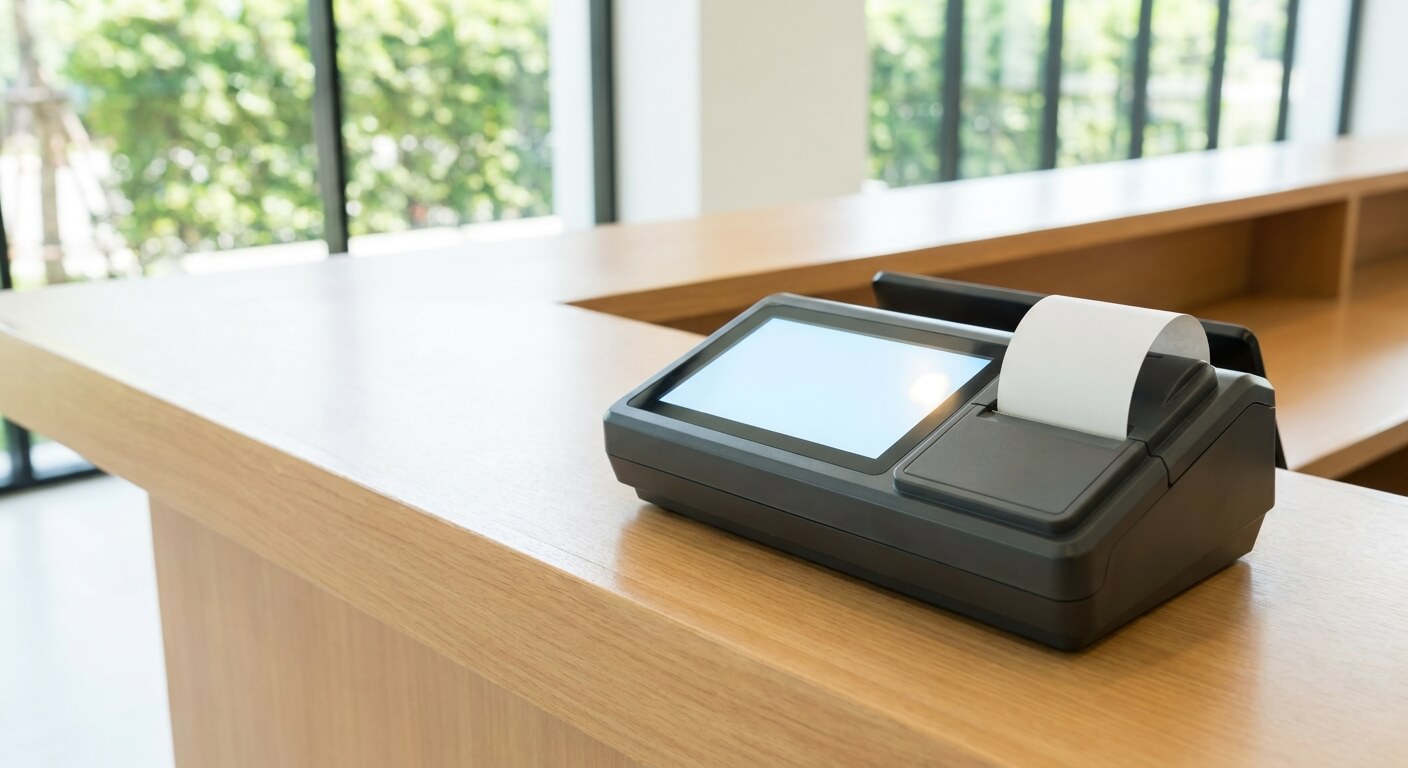
Seven Key Benefits of a Point of Sale Ticketing System
Benefit one is speed at the window. When a passenger is standing in front of you, every extra click is felt. A clear sales screen, a short list of departures and a quick payment step shorten the line and calm the people waiting in it.
Benefit two is one record of every seat. When counter sales and online sales draw from the same inventory, the same seat cannot be sold twice. UBT lists inventory control next to point-of-sale for this reason. Our guide to how to stop overselling bus seats explains what is at stake.
Benefit three is fewer mistakes at the counter. When prices, routes and dates are chosen from a list, there is less room for handwriting errors or a wrong fare. New staff also learn faster, because the system guides the steps.
Benefit four is a direct link to boarding. A ticket sold through the system can be checked when the passenger gets on. UBT lists ticket validation as part of the same set, and describes flexible validation options. Our article on bus ticket validation options covers the choices.
Benefit five is reporting that is ready when you need it. UBT lists real-time reporting alongside point-of-sale. Instead of waiting for someone to add up slips at the end of the day, you can look at sales while the day is still running.
Benefit six is easier cash handling. When every sale is recorded, the cash in the drawer can be compared with the sales in the system at the end of a shift. Differences show up on the same day, not at month-end. See also our guide to bus ticket reconciliation.
Benefit seven is room to grow. A business that starts with one counter may later add more windows, partner sellers or an online store. A system built around one shared record makes each addition easier, because the new channel reads the same data.

How to Test the Benefits of a Point of Sale Ticketing System Before You Buy
A benefit that appears only on a brochure is not a benefit. Ask for a hands-on session and bring your own scenarios. Sell a ticket as your newest staff member would. Then try a change, a cancellation and a refund, and see how many steps each takes.
Ask what happens at the end of the shift. Can you close a drawer, see the totals and compare them with cash? Can you export what you need for your accountant? Do not accept a yes without seeing it on screen.
Ask how a ticket sold at the counter reaches the boarding check. If the answer involves printing a list or typing numbers twice, the benefit is smaller than it sounds. Our article on offline bus ticket validation is useful if your stops have weak signal.
Ask how easy it is to try the system first. UBT states on its site: “Free and no obligations at all! We provide Technology as a Service. If you do not like it, there will be no cost and obligations to you.” The site does not state a trial length, so confirm it directly.
Who Gains Most From the Benefits of a Point of Sale Ticketing System
Operators who still sell on paper or on a spreadsheet usually notice the benefits first. The jump from a manual record to a shared one removes whole categories of error. Seat counts stop drifting, and end-of-day sums stop taking an hour.
Operators with several ticket windows or partner sellers gain a different benefit: consistency. Every window sells the same seats at the same fares, and a change made once is seen everywhere. For these businesses, the value is control as much as speed.
Smaller operators gain simplicity. A single screen for selling, checking and reporting replaces several tools. The key is to choose a system your team will actually use, not one with the longest feature list.
Every operator gains from better information. When you can see sales by route, by day and by seller, you can spot weak departures early and act on them. Our article on how to review bus route performance shows what to do with that information.
Limits to Keep in Mind
A point of sale ticketing system will not fix a weak timetable, and it will not make a poor route busy. It records and organizes what you do. The benefits come from good habits, with the system making those habits easier.
It also depends on people. A new tool without training, a named owner and a start date for dropping the old method will sit beside the old process instead of replacing it. Plan the first two weeks as carefully as the purchase.
Finally, be careful with promises. If a vendor claims a specific saving or a specific sales increase, ask how it was measured and for whom. We do not quote figures in this article, and you should be wary of anyone who does without evidence.
Real Situations Where the Benefits of a Point of Sale Ticketing System Show Up
Picture a Friday afternoon when three departures leave within an hour. At the window, an agent sells tickets while the phone rings and a passenger asks to change a date. With a shared record, each action updates the same seat count, so nobody is selling a seat that has already gone.
Picture a schedule change as well. A bus is late because of a mechanical issue, and the departure moves back by an hour. UBT states that you can move a schedule around in this way. The counter, the boarding check and the reports should all reflect it quickly.
Now picture the end of a shift. The agent closes the drawer, the system shows the sales, and the two numbers are compared. If they differ, you look at it today while memories are fresh. These small moments are where the benefits of a point of sale ticketing system become real.
Finally, picture a busy holiday week. More passengers, more questions and more temporary staff. A guided sales screen and a single seat record keep new helpers from making costly mistakes. Our guide to bus holiday schedule planning covers the planning side.
To recap, the benefits of a point of sale ticketing system are speed, one seat record, fewer mistakes, a link to boarding, ready reports, tidier cash and room to grow. Test each one with your own scenarios before you decide.
If you would like to see how UBT covers point-of-sale, validation, inventory control and reporting, request a conversation with United Bus Tech and bring a typical busy day at your counter as the test case.