
A long bus ticket counter queue is a quiet kind of loss. Passengers who wait too long may miss the departure, give up and leave, or board stressed and unhappy. This guide is for operators who run a station or a ticket window and want to shorten the line with practical changes.
You do not need a new building to do it. Most of the gain comes from deciding what the counter is for and moving everything else away from it.
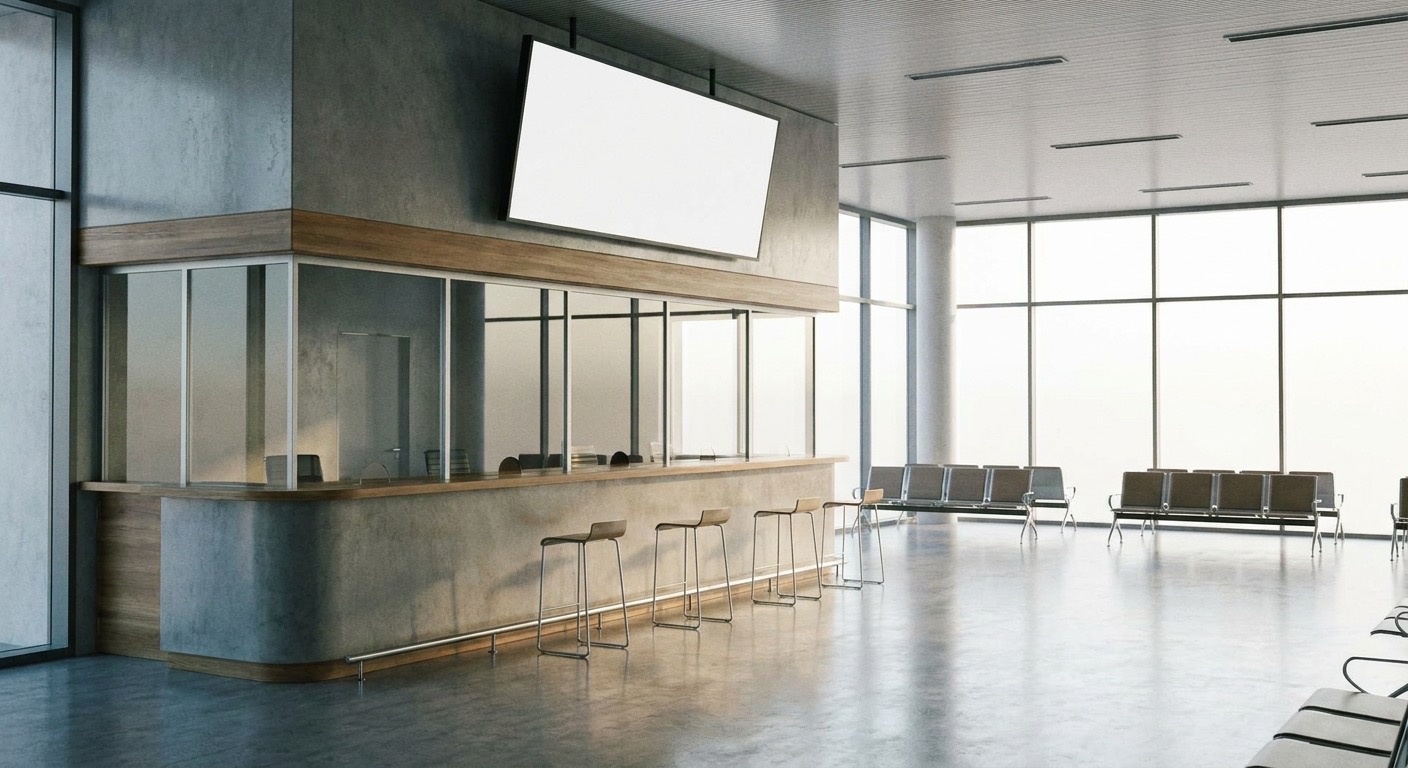
Why a Bus Ticket Counter Queue Forms
A bus ticket counter queue grows when the number of tasks at the window is larger than the number of people who can serve them. The tasks are not all the same, which is why one fix rarely clears a bus ticket counter queue by itself.
Selling a ticket takes a minute, but answering a question about a delayed bus or a refund can take ten.
Peaks make it worse, and they are also where a bus ticket counter queue does the most damage to your reputation. The line is short most of the day and then a departure time, a holiday or a delay brings everyone at once.
Staff cannot be doubled for twenty minutes, so the plan has to remove work instead.
Start by watching your own counter for one busy hour. Note what each person in the bus ticket counter queue asks for, and how long each request takes. You will usually find that a few repeated requests take most of the time.
7 Practical Ways to Shorten the Bus Ticket Counter Queue
These changes are listed from the cheapest to the most involved. Pick the ones that match the requests you actually saw.
- Sell more tickets before passengers reach the station
- Separate selling from boarding and from questions
- Validate tickets at the gate with a handheld device
- Answer common questions on a sign and by message
- Give the line a clear order for each departure
- Keep one shared seat count at every window
- Close out each shift the same way every day
We take each one in turn.
Sell More Tickets Before Passengers Arrive
The shortest bus ticket counter queue is the one that never forms. Every ticket sold online is a ticket that does not need a window. Our guide on how to sell bus tickets online explains how to make that easy for riders.
Selling online has one more benefit for the bus ticket counter queue: it spreads demand over the whole week instead of the last hour. Online sales also let you ask for payment and passenger details at home, where there is no line behind the buyer.
The counter then keeps only the sales that really need a person, such as cash buyers and people who need help.
Separate Selling From Boarding and Questions
When one window handles sales, boarding checks and complaints, a slow question blocks everyone. Split the roles even if you only have two people. One person sells, and the other checks tickets and answers questions.
If you have one person only, change the order of the day instead. Sell during the quiet hours and keep the minutes before a departure free for boarding. A sign that tells people which line to join costs almost nothing.
Validate Tickets at the Gate
Checking tickets at the window adds a second job for the person selling. Move that job to the boarding point. UBT offers flexible ticketing validation options, so the driver or a staff member can check tickets where passengers board.
Our article on bus ticket validation options compares the ways to do it. The window then only sells, and the boarding queue moves on its own.

Answer the Common Questions Before They Reach the Window
Write down the five questions you hear most. They are often the same: when does it leave, where do I board, can I change my ticket, what if I am late, and where is the bus. Put the answers on a sign near the entrance and in your booking confirmation.
UBT includes automated SMS boarding reminders and ETA tracking for passengers, so some of these questions can be answered before the rider leaves home. We describe the reminders in automated SMS boarding reminders.
Give the Line a Clear Order
A line with no order feels longer. If three departures leave within thirty minutes, passengers for the earliest trip should be served first. A simple board or a person with a list can do this.
Call the departures in time order and let passengers with tickets in hand go straight to boarding. People who only need to ask a question can use a separate spot. This keeps the main bus ticket counter queue for sales.
Keep One Shared Seat Count at Every Window
Slow counters often come from doubt. The agent is not sure a seat is still free, so they check, call and check again. A single live seat count removes that pause. It also stops the argument at the window when two agents think they sold the last seat.
UBT describes shared APIs that sync instantly across all sales channels, including third party websites. When the counter, the website and any partner all draw on the same count, the agent can say yes or no at once. Our article on seat inventory control goes into the detail.
Close Out Each Shift the Same Way
End-of-shift counting is not part of the passenger line, yet it affects it. When a window is slow to open because last night’s cash was not settled, the first line of the morning starts late. A fixed routine keeps that from happening.
A short bus counter closing procedure written on one page, with the same steps every night, is enough. Keep it at the window so any agent can follow it.
How to Check Whether the Changes Work
Measure the same hour again after you make a change to the bus ticket counter queue. Count how long the line is at its longest and how many people leave without buying. You do not need exact numbers to see the direction.
Change one thing at a time so that you know what helped. If you change five things at once, you will not know which of them mattered.
Share what you learn with the staff on the window. A short chat at the end of the week is enough. Ask which request took the most time and which sign or rule would have prevented it.
People who work the window every day know where the delay starts, and their answers often point to a cheaper fix than any new equipment. They often see the cause of the line before the manager does, and they are the ones who will keep the new habit going.
Take the First Step to Cut Your Bus Ticket Counter Queue
Pick the one change that fits your busiest hour and the line you see there. For many stations that is moving sales online, because it removes work from the window without adding staff.
If you want to see how a ticketing system supports POS, ticket validation, inventory control and real-time reporting in one place, you can talk to the UBT team. UBT is offered as Technology as a Service, and if you do not like it, there is no cost or obligation.