
Check if a bus ticket was used is a question every counter agent and driver faces sooner or later. A passenger shows a code, and you need to know in seconds whether it has already carried someone on board.
This guide is for operators who want a repeatable answer. We cover the ways a ticket gets reused, the checks that catch it and the records you need. We do not quote fraud rates or losses, because we have no verified figures to give.
Why a Used Ticket Can Look Valid
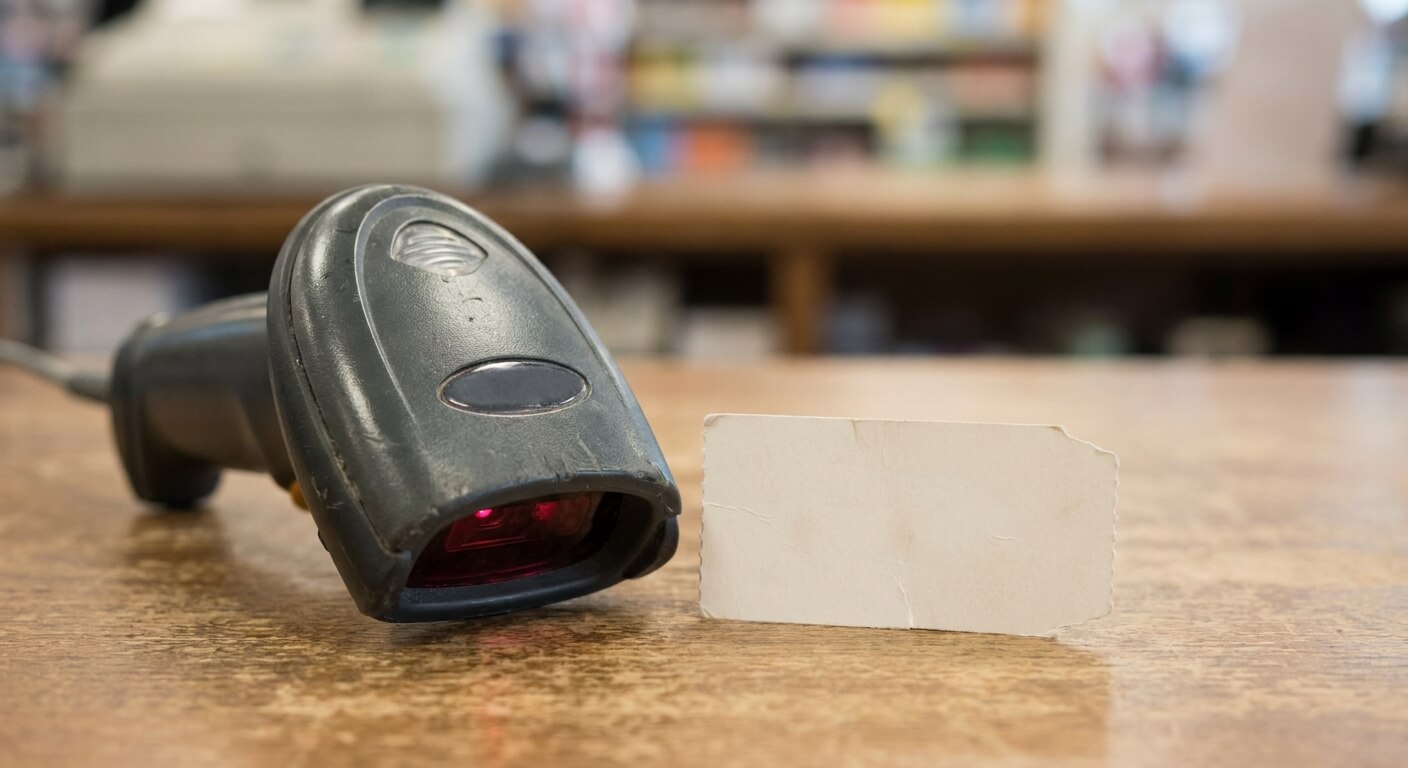
A ticket is just a promise: one seat, one departure. If nothing records that the promise was kept, the same ticket looks fresh every time you scan it.
Reuse takes simple forms. A passenger shares a screenshot of a QR code with a friend. A printed ticket is photocopied. A refunded ticket is shown anyway. A ticket for yesterday is offered today.
None of these needs special skill, and each one defeats a check that ignores the record. They work when the check at the door looks only at the code and not at the record behind it. To check if a bus ticket was used, you must ask the system, not just read the paper.
Check If a Bus Ticket Was Used: The Core Principle
The core rule is one ticket, one use, recorded at the moment of boarding. The record must be shared by every person and device that can check tickets for that departure.
Think of it as a single line in a ledger. When the ticket is accepted, the line is marked. If the same ticket arrives again, the line is already marked and the check fails.
This only works when the check reads live data. A reader that holds a stale copy of the list cannot see a scan that happened ten minutes earlier on another device. Our guide on bus ticket validation options compares the methods and what each one records.
Seven Checks That Catch a Reused Ticket
Use these in order. Each is quick, and together they cover most reuse cases that an operator meets.
- Is the ticket for this route, this date and this departure?
- Does the ticket status show unused, or already boarded?
- Has the ticket been refunded, voided or reissued since it was sold?
- Does the passenger name match, where your policy asks for a name?
- Is the seat assigned to this ticket free, or already taken by another passenger?
- Was the ticket scanned on another device a moment earlier?
- Does the manifest count agree with the people on board?
If any answer is wrong, stop and look at the record before you decide. Do not argue with the passenger at the door; step aside and check.
Notice that four of the seven checks need a system that stores status, not a piece of paper. That is the practical argument for recording each boarding.
What the Record Needs to Hold to Check If a Bus Ticket Was Used

To check if a bus ticket was used from one screen, each ticket record should hold a few plain fields. Nothing here is exotic, and most operators already have the data somewhere.
First, the ticket status: sold, boarded, refunded, voided, reissued. Second, the time and place of the last scan. Third, the departure and seat. Fourth, the channel where it was sold.
With those four, an agent can answer “was this used?” from one screen. The UBT site lists point-of-sale, ticket validation, inventory control and real-time reporting together, which is the combination this question needs.
If your reports show a ticket as sold but your driver says it was never scanned, you have a gap to investigate. Our notes on the bus passenger manifest show how to compare the two lists.
Check If a Bus Ticket Was Used After a Refund or Reissue
When you check if a bus ticket was used, a refunded one should also fail. It should stop working the moment the refund is approved. If your validation checks only the code, a refunded ticket can still be accepted at the door.
The same applies to a reissued ticket. When you change a date or a name, the old code must be retired so that only one version remains. Otherwise both the original and the new one can be used.
Read our explanation of the bus ticket reissue policy for the rules operators put in writing. A clear policy and a clear record work together.
When a customer disputes a refund, the scan history becomes your evidence. It shows whether the ticket was used before the refund was requested.
Offline Moments and Weak Signals
Some stops have poor reception. If the reader cannot reach the shared record, it cannot see scans made elsewhere. That is the weak point in every design.
Decide in advance what your drivers do in that case. Some operators accept the first scan offline and reconcile later. Others fall back to a printed manifest. Either choice is valid if it is written down.
The key is to know the risk you accept. One shared ticket accepted twice on a weak signal is a small, bounded loss. A policy of accepting everything when the signal drops is not.
When your readers fail altogether, see our guide on bus ticket scanning problems for the first things to check.
Training Staff to Respond Calmly
Most cases where staff check if a bus ticket was used turn out to be honest mistakes. A passenger forwards the wrong email, or shows a ticket from a previous trip. The way your staff respond sets the tone for your whole operation.
Give your team a simple script. Greet the passenger, explain that the system shows this ticket as already used, and offer to look up the booking by name or phone number.
Keep the tone neutral and never accuse. If the lookup shows that the ticket was used by a companion, the passenger often solves the problem on the spot.
Record the outcome each time. Over a few weeks the notes show you where tickets are being shared, and you can fix the cause rather than the symptom.
Audit How You Check If a Bus Ticket Was Used
You can test how your team checks if a bus ticket was used in an afternoon without any tool purchase. Choose one departure and run these steps with your own team:
- Sell a test ticket, scan it once and note the status.
- Scan the same ticket again on a second device.
- Refund the ticket and scan it a third time.
- Reissue a ticket and scan the original code.
If any scan is accepted when it should fail, you have found a gap. Write it down with the date and the device, and raise it with your vendor or your own developers.
This kind of audit costs little and tells you more than a general promise of security. Repeat it whenever you change your system or add a sales channel.
Final Thoughts on How to Check If a Bus Ticket Was Used
To check if a bus ticket was used, you need one shared record that marks each ticket the moment it boards. Paper and screenshots can be copied, but a status in a live ledger cannot be copied.
Start with the seven checks, fix the gaps your audit finds and train your team to respond calmly. The result is a boarding process your passengers and drivers can both trust.
UBT offers its technology as a service, and its site says that if you do not like it, there is no cost and no obligation. If you want to see how ticket validation and real-time records could work at your own doors, request a UBT demo and bring a sample of tickets to test.