
The UMA Motorcoach Expo is a yearly gathering of the private bus and coach industry. If you run a motorcoach company, a charter operation or a scheduled service, this guide shows what to bring so the trip pays off on the ticketing side.
We do not list the official programme here. The organizer publishes that, and it changes each year. What we cover is the part nobody publishes for you: the questions an operator should carry in a notebook.
Dates and Place for the UMA Motorcoach Expo
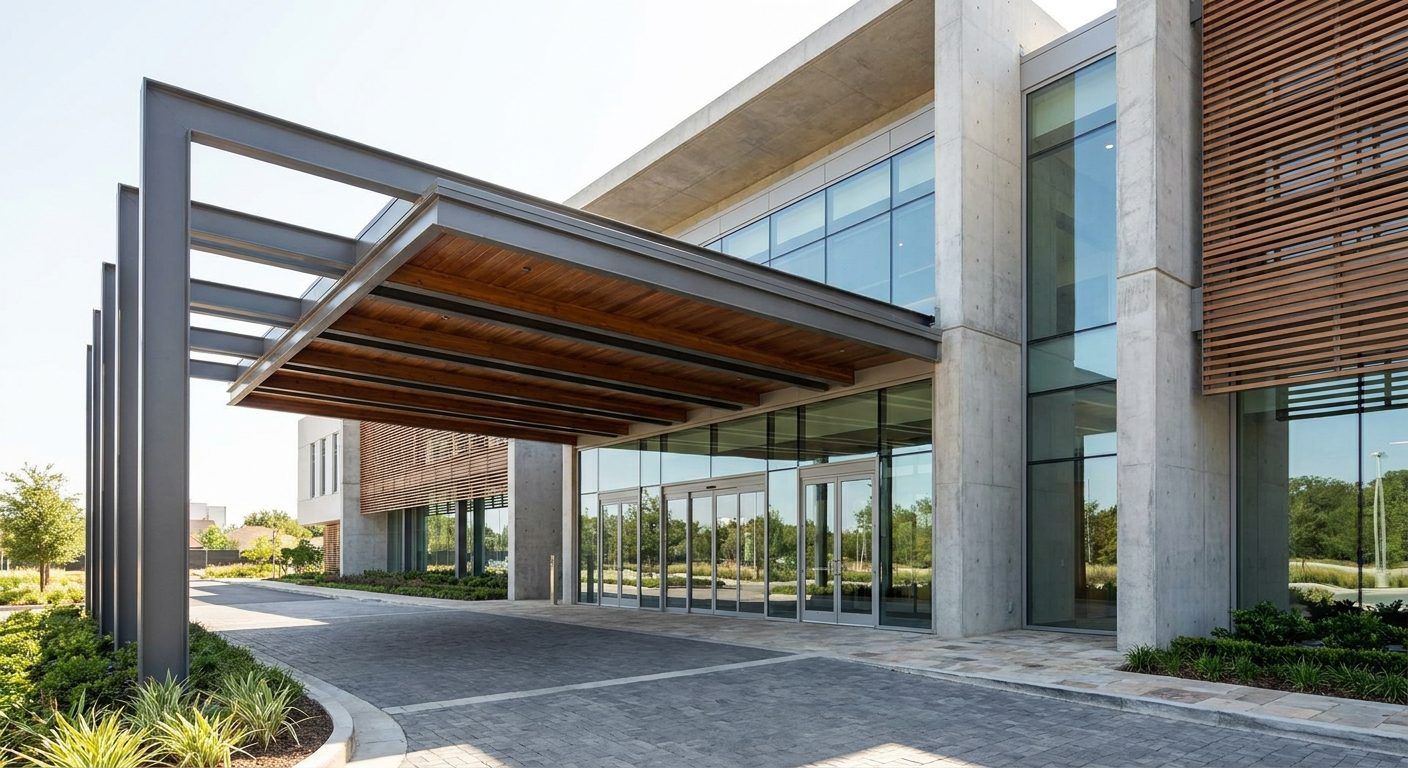
The 2027 edition of the UMA Motorcoach Expo runs from January 17 to 20, 2027, at the Henry B. Gonzalez Convention Center in San Antonio, Texas. The host city changes from year to year, so check the official event site for the current dates and location before you book travel.
Put those four days in your calendar early. Hotels near a large convention centre fill up, and a late booking can leave you fewer choices.
Decide before you arrive who from your company is going. A good split is one person from operations, one who handles sales and customer service, and an owner or general manager who can make a decision on the spot.
Why the UMA Motorcoach Expo Is a Ticketing Event Too
Most operators think of the UMA Motorcoach Expo as a place to look at vehicles, parts and services. That is fair. But every bus you sell a seat on depends on the same chain: how a seat is sold, how it is counted, how a rider is checked on, and how you learn what happened afterward.
That chain is software, and a trade show is one of the few places where you can compare several approaches in a single afternoon. You can ask direct questions face to face and watch how people answer.
The risk is wandering the hall without a plan. Operators who walk in with a short list tend to leave with comparable notes. Operators who browse leave with a bag of brochures and no way to tell them apart.
7 Essential Questions to Bring to the UMA Motorcoach Expo
Treat the list below as a starting point and cut it down to what matters in your business. Write the answers down in the same order for every vendor you speak with, so you can compare later.
- Where does my seat count live, and how does every channel see it at the same moment?
- What happens when I need to move or cancel a departure, and how do riders find out?
- How do riders get checked on, and what happens when a phone has no signal?
- What reports can I see while sales are open, not only after?
- How are refunds and rebookings handled, and who can approve them?
- What does it take to start, and what do I owe if it does not suit us?
- Who will I speak to when something breaks on a busy day?
Each question maps to a real operating problem. None of them is about a feature name. They are about what your desk does at seven in the morning when a bus is late.
Seat Counts Across Every Sales Channel
Overselling is the problem that sends most operators looking for new software. It happens when your website, your counter and a partner each hold their own idea of how many seats are left.
Ask every vendor how a sale on one channel reaches the others. UBT describes shared APIs that sync instantaneously across all sales channels, including third-party websites. Use that sentence as a benchmark and ask others to be as specific.
If you want the background on this issue, read our guide on how to stop overselling bus seats. It explains the failure pattern in plain terms, and you can take the questions straight to the booth.
Changing a Departure Without Chaos
Buses break down, drivers run out of hours and roads close. When that happens, you need to move or cancel a departure quickly and tell the right people.
UBT states the case plainly: if you need to cancel a busline or move it an hour later due to mechanical issues, you can move your schedule around. When you visit a booth, ask to see that exact task done, step by step, and count the clicks.
Our article on how to change a bus schedule at the last minute lists what to check on your side of the process too.
Point of Sale, Validation and Reporting
A show floor is a good place to ask about the counter. UBT lists four things together: point of sale, ticket validation, inventory control and real-time reporting. When you compare tools, look for all four in one system rather than four tools stitched together.
Validation deserves its own question. Flexible validation options matter when your riders board at a curb, a terminal or a rented lot. Ask what the driver or agent actually sees on the device when a ticket is scanned.
Reporting is the part owners care about most. If a report only shows yesterday, you cannot act on today. Real-time reporting means you see sales and boarding while the day is still open, which is when you can still change something.
How to Run the Conversation at the Booth
Keep each conversation short, around ten minutes. Start by describing your operation in two sentences: how many routes, which channels you sell on, and what hurts most today. Then ask your list.
Do not ask for a price in the first minute. Ask first how the product works for a company like yours, and what the process looks like from signing to the first sale. Then ask about cost.
Our questions to ask a ticketing platform vendor article goes deeper on this and works well as a printout. A simple table with the same rows for every vendor is enough to rate the answers after each stop.
After the UMA Motorcoach Expo: Turn Notes Into a Decision
The week after the show matters as much as the show. Within five days, sit down with your team and go through the notes while the conversations are still fresh. Cut the list to two or three options.
Then ask each remaining vendor for a hands-on trial. UBT says its service is free with no obligations: if you do not like it, there is no cost and no obligation to you. Whatever vendor you choose, ask for the same terms in writing and check what the trial includes.
Use a short, real test: load a few real departures, sell through two channels and cancel one trip. If the system handles that without help, you have learned more than any demo could show.
Our bus ticketing trial checklist gives you a step-by-step plan for running that test with your staff.
A Short Checklist Before You Fly to San Antonio
Pack for conversations, not only for the hall. A few small things make the difference between a useful trip and an expensive one.
- A one-page description of your operation to share quickly
- Your seven questions printed, with space for answers
- A shortlist of the two or three problems that cost you the most today
- A plan for who attends which session or meeting
- A fixed time for a team debrief when you are back
If you cannot attend, you can still run the same process by video call. The questions work in any setting, and a vendor who answers them clearly on a call is a good sign.
The UMA Motorcoach Expo comes around every year, and the habit of walking in with questions will serve you every time. Each year you can compare notes against last year and see who has improved.
Talk to UBT About Your Ticketing Setup
If you want to bring a real operation to the conversation, we are happy to look at yours. Request a conversation with the United Bus Tech team and tell us how you sell seats today.