
Switching bus ticketing systems mid-season is the scenario most operators put off, not because the current setup is working, but because a bad cutover during a busy stretch is worse than living with the problems you already know.
That fear is reasonable, but it is a fear about a bad migration, not about switching itself. This guide covers three practical steps that keep switching bus ticketing systems from putting a live season at risk.
Why Switching Bus Ticketing Systems Feels Risky
The risk in switching bus ticketing systems is rarely the new software itself. It is the gap where schedules, inventory, or validation exist in two places at once, and nobody is sure which one is correct.
A schedule rebuilt from scratch in a new system can drift from what the old one still shows publicly. A counter agent working off one system while the website runs on another is exactly how a seat gets sold twice during a cutover.
Those are real risks, and they are also the specific things worth checking before you commit to switching bus ticketing systems, rather than reasons to avoid the decision indefinitely.
Most operators do not start evaluating this out of curiosity. They start because the current setup already failed them once, whether that was an oversold weekend, a schedule change that did not reach every channel, or a report nobody could trust by the time it was compiled.
That failure is usually the real deadline behind switching bus ticketing systems, and it is worth naming directly, since it changes what you are actually testing for in a new system: not a longer feature list, but whether that specific failure can happen again.
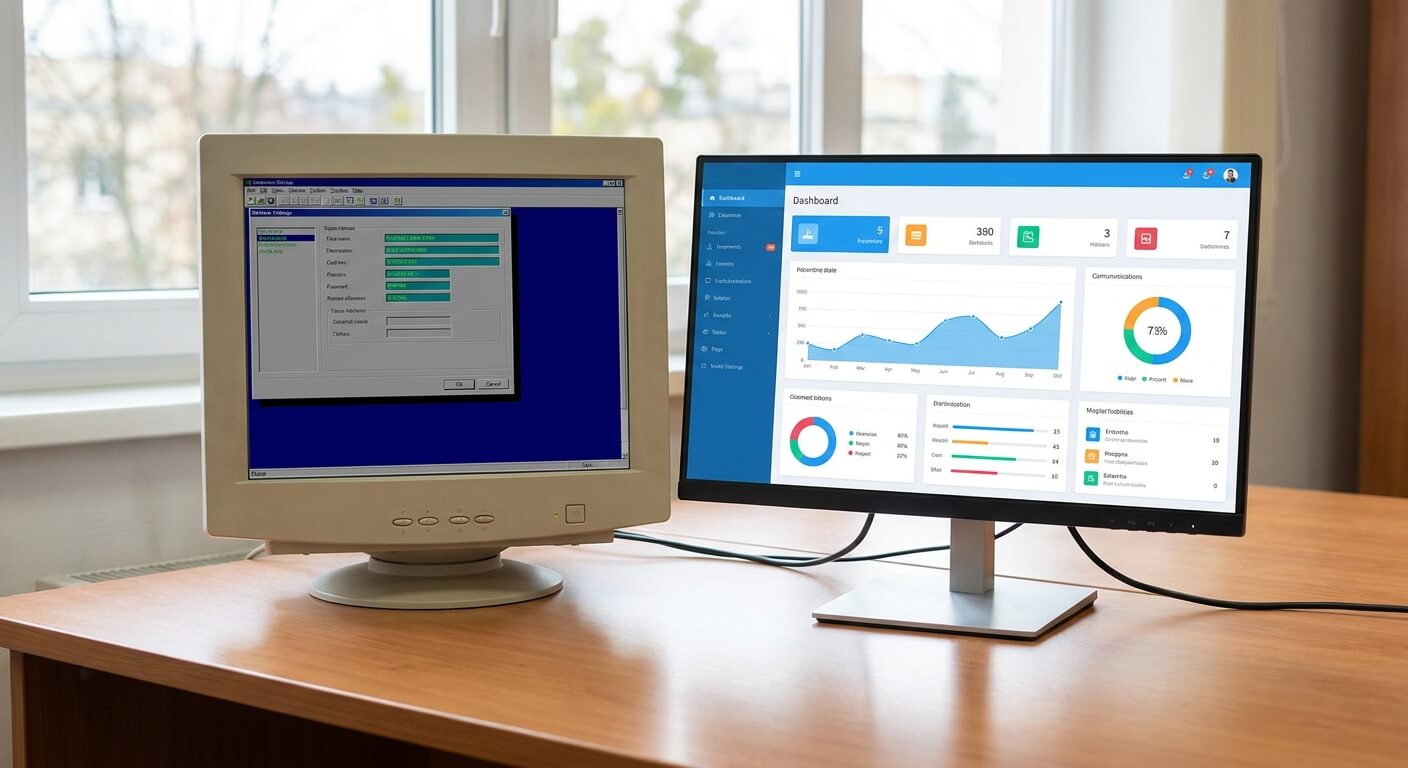
3 Steps for Switching Bus Ticketing Systems Without Losing a Season
The first step is testing before you commit to anything. UBT is offered free with no obligation: “Free and no obligations at all! We provide Technology as a Service. If you do not like it, there will be no cost and obligations to you.”
That means you can run a real evaluation against your own routes and your own busiest days before switching bus ticketing systems for good, instead of committing on the strength of a demo alone.
A parallel test period also gives your staff time to get comfortable with a new system before it becomes the only one they can rely on. That familiarity matters as much as the software itself once the old system is switched off.
The second step is moving your schedule without rebuilding it by hand. A system that lets you move or cancel a schedule in one place, and have every channel reflect that instantly, is what keeps switching bus ticketing systems from turning into a manual re-entry project.
That one-click schedule handling matters most in the first weeks after a cutover, when you are still catching small corrections. Every fix should take one update, not a phone call to each sales channel separately.
The third step is keeping every sales channel synced during the cutover window itself, not just after it.
A platform built on shared APIs that sync instantaneously across sales channels, including third-party websites, is what prevents a seat from selling on the old system after it already sold on the new one.
Without that real-time sync, switching bus ticketing systems creates exactly the double-selling risk operators are afraid of in the first place, just concentrated into the transition window instead of spread across normal operations.
What to Check Before You Commit
Before switching bus ticketing systems, it helps to know precisely what your current setup does and does not do, so you are comparing against facts instead of a general sense that something is not working.
Our bus technology audit walkthrough covers that mapping step by step, across point-of-sale, validation, inventory, and reporting.
Once you know what you are replacing, a structured evaluation framework helps you compare options on the same criteria instead of vendor demos alone.
Our nine-question buying guide walks through what to ask before you sign anything, whether you are buying for the first time or switching bus ticketing systems away from one you already have.
The same real-time sync that protects a cutover is also what prevents oversold seats day to day once you are fully switched over.
Our guide to multi channel bus ticket sales covers how that sync works across the counter, the website, and partner channels, before and after a migration.
None of this requires switching bus ticketing systems overnight. A parallel test period, a schedule that moves in one step, and channels that stay synced during the handoff are the three pieces that turn a risky cutover into a routine one.
Operators who wait for a perfect, risk-free moment to switch usually end up switching anyway, just later and under more pressure, after a problem the old system could not solve forces the decision for them.
The operators who come out ahead are the ones who treat switching bus ticketing systems as a planned test, run on their own schedule, rather than an emergency reaction to whatever broke most recently.
Timing a Switch Around Your Own Calendar
When you run the parallel test period matters as much as how you run it. Testing during your slowest weeks, rather than your busiest ones, gives your team room to catch corrections before they show up in front of passengers.
That timing is a decision you control directly, since a free, no-obligation trial does not force you onto anyone else’s schedule. You can start the evaluation whenever it fits your calendar, not when a contract renewal forces the question.
It is also worth deciding in advance who signs off on the cutover itself, rather than leaving that call to whoever happens to be at the counter that day. A named decision point keeps switching bus ticketing systems from happening by accident mid-shift.
Common Mistakes That Turn a Migration Into a Crisis
The most common mistake is skipping the parallel test and going straight from old system to new on a single day. Without an overlap period, there is no chance to catch a mismatched schedule before a passenger does.
The second common mistake is updating the schedule in the new system without confirming every sales channel picked up the change. A schedule that looks correct in the back office but has not synced to the website is the same risk as not updating it at all.
The third is treating switching bus ticketing systems as a one-time event instead of a short project with a clear owner, a start date, and a defined point where the old system gets turned off for good.
A fourth, quieter mistake is assuming staff will figure out a new system the same day it goes live. A short walkthrough before the cutover, covering how a schedule change and a sale look in the new system, saves a counter agent from guessing during a live transaction.
None of these mistakes are unusual, and none of them require a bigger vendor or a longer contract to avoid. They mostly come down to sequencing: test in parallel, confirm every channel before you rely on it, and name who owns the cutover date.
Request a walkthrough and run a real evaluation against your own routes before switching bus ticketing systems for good.