
Bus seat selection sounds like a feature for passengers, but the decision to offer it belongs to you. Letting people pick a seat changes how you sell, how you board and how you handle a vehicle swap. It is worth deciding on purpose, not by default.
This guide is written for bus company owners and operations managers. It sets out the choices behind bus seat selection, the trade-offs between assigned and open seating, and the questions to put to a ticketing vendor. We quote no prices or figures, because your routes and fares are your own.
Where we mention United Bus Tech (UBT), we use only what its site states. For example, UBT lists inventory control among its point-of-sale capabilities. For anything about seat maps in particular, ask a vendor to show you.
What Bus Seat Selection Actually Means for an Operator
Bus seat selection can mean three different things. The passenger may choose an exact seat on a map. Your system may assign a seat automatically at the time of sale. Or there may be no seat number at all, and passengers sit where they like.
Each choice sets a different workload. A seat map means your system must know the layout of every vehicle you run. Automatic assignment means someone must decide the order in which seats are filled. Open seating means you only count heads, not places.
Whichever you pick, the count of seats sold must stay accurate across your counter and your website. A seat that two people both think they own is the classic source of arguments at the door. Our guide on how to stop overselling bus seats covers that risk in detail.
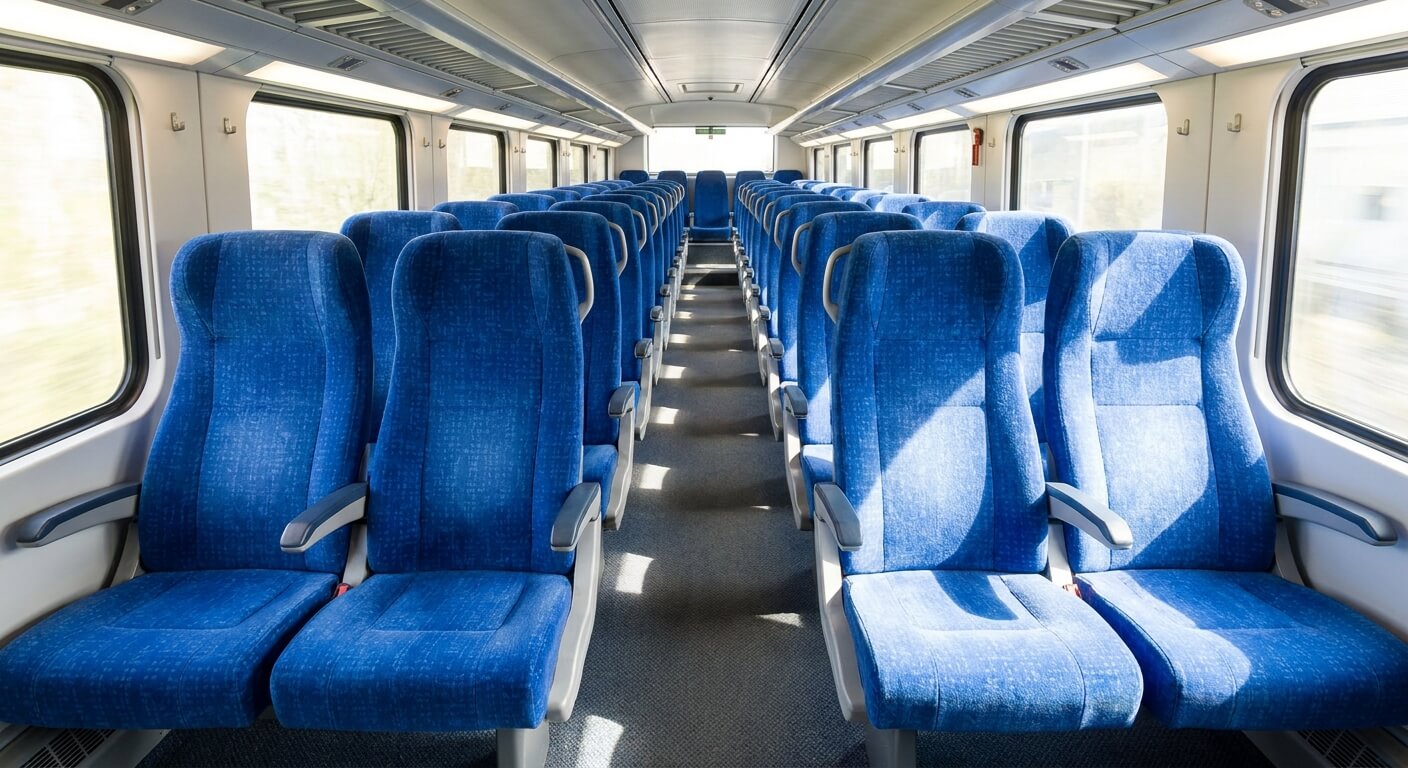
Assigned Seating or Open Seating: Five Key Questions
Question one is how full your trips usually run. On a trip that is rarely full, a seat map adds work with little reward, because everyone gets a good seat anyway. On a trip that often fills, bus seat selection gives passengers certainty and gives you a cleaner count.
Question two is how long your journeys are. For a short hop, most passengers do not mind where they sit. On a long overnight trip, people care a great deal about a window, extra room or sitting near a companion. Longer trips tend to justify seat choice.
Question three is how often your vehicles change. If you sometimes swap a coach for a smaller one at short notice, a fixed seat map becomes a problem. Passengers holding seat 40 on a vehicle that has 36 seats need a plan. Decide the rule before it happens.
Question four is how your staff board people. With assigned seats, a driver or gate agent checks the ticket and points to a seat. With open seating, boarding is quicker to explain but can lead to crowding at the door. Our guide to reducing bus boarding delays looks at both styles.
Question five is how you sell through partners. Partner sites must see the same seats you see. UBT states that its shared APIs sync instantaneously across all sales channels, including third-party websites. Test that a seat sold in one place vanishes everywhere.
How to Set Up Bus Seat Selection Without Creating New Problems
Start bus seat selection with an accurate layout for each vehicle type. Count the seats, note which ones are reserved for crew or equipment, and mark any that should not be sold, such as a seat with a damaged belt. A map that does not match the real coach will cause trouble on day one.
Next, decide which seats your bus seat selection sells first. Some operators fill the front first, others keep a few seats back for the counter or for late changes. Whatever you choose, write it down so every agent and every sales channel follows the same order.
Keep a small number of seats outside the online pool if your counter needs flexibility. A walk-up customer or a driver’s request can be handled without moving someone else. Our article on bus seat inventory management explains how to split inventory between channels.
Decide what happens when a passenger asks to change seats. Is it free, is it limited to before the day of travel, and who may approve it at the gate? Staff should not invent answers while a line is waiting. A one-page rule solves most of these moments.
Think about groups, too, in bus seat selection. People travelling together want to sit together, and a map that scatters them creates complaints. Some operators hold seat blocks for groups. See handling bus group bookings for the booking side.

What Bus Seat Selection Means for Your Counter and Your Drivers
At the counter, bus seat selection changes the conversation. An agent now asks where the customer wants to sit, shows the options and confirms. That takes a little longer per sale, so check that your system makes the choice fast, with a clear picture of what is free.
Drivers need a passenger list that matches the seats chosen. If the list shows names but no seat numbers, the benefit of assignment is lost at the door. Ask whether the list can be viewed on a phone or tablet, and whether it updates when a late sale is made.
UBT states that it offers flexible ticketing validation options. When you compare systems, check how the seat shows up at validation: does the agent see the seat when a ticket is checked, or only whether the ticket is valid? The first helps boarding go smoothly.
Think about the customer who arrives and finds their seat taken. With assigned seating, you will meet this now and then. Teach your staff a calm way to resolve it, such as checking both tickets, and have a spare plan for when the system and the vehicle disagree.
Common Mistakes With Bus Seat Selection
The first mistake is switching on bus seat selection without testing a vehicle swap. The first time you replace a coach, you will find out whether your map can adapt. Test it in a quiet period, not on a busy holiday.
The second mistake is making seat choice a complicated process. If a passenger needs many steps to pick a seat, some will abandon the purchase. Our article on bus booking abandonment looks at where people drop out of the booking flow.
The third mistake is promising a seat you cannot guarantee. If a vehicle may be changed, say so in your conditions, and say what you will do. Passengers forgive a swap that is explained. They do not forgive one they discover at the stop.
The fourth mistake is ignoring the data. Which seats sell first, which trips sell out and which stay empty all tell you something. Our guide to bus load factor shows how to read those patterns.
Questions to Ask a Vendor About Bus Seat Selection
Ask to see the seat map for a vehicle like yours, not a generic demo. Ask how you set up a new vehicle layout and who does it. Ask what happens to existing bookings if the vehicle changes. These three answers tell you most of what you need to know.
Ask how bus seat selection treats held seats, blocked seats and group blocks are handled. Ask whether the counter and online channels share one pool or two. UBT says that its system supports inventory control and real-time reporting, so ask to see both for a sample trip.
Bus seat selection is a good tool when it fits your routes, and a burden when it does not. If you would like to talk it through, request a conversation with United Bus Tech and bring the layout of your busiest vehicle.